UK Online Gambling Market Reaches Turning Point in 2026: Remote Casinos Eclipse Sports Betting as Mobile Dominates and Regulations Drive Innovation
Hugo Hartmann · Apr 23, 2026
UK Online Gambling Market Reaches Turning Point in 2026: Remote Casinos Eclipse Sports Betting as Mobile Dominates and Regulations Drive Innovation
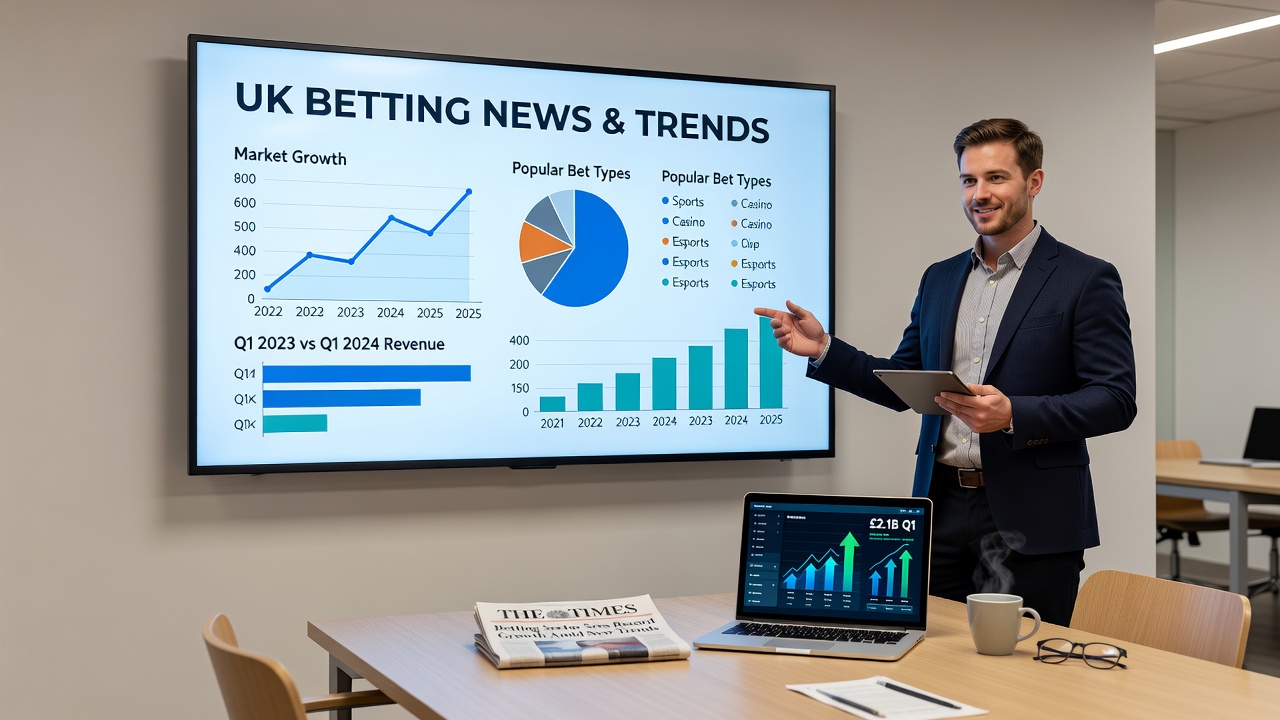
Observers tracking the UK gambling landscape have noted a pivotal shift as 2026 unfolds, with remote casino gaming surging past traditional sports betting to claim the top spot in the online market; adult participation holds steady between 25% and 33%, while most activity migrates to mobile platforms, reshaping how operators and players engage.
What's interesting here is how this evolution, detailed in a recent analysis from iGaming Today, underscores broader digitalization trends even as economic pressures and regulatory demands intensify across the sector.
The Rise of Remote Casinos Over Sports Betting
Remote casino activities—think slots, blackjack, and roulette accessed online—have overtaken sports betting in market dominance for 2026, a change that data attributes to player preferences leaning toward instant, on-demand gaming experiences rather than event-tied wagers; sports betting, long the heavyweight, now trails as remote casinos capture greater revenue shares and user time.
And yet, this isn't some overnight flip; experts point to years of steady growth in digital casino tech, where high-quality live dealer streams and immersive slots pull in crowds that once flocked solely to football matches or horse races, especially now that mobile apps deliver casino floors right to pockets.
Take one operator's pivot, for instance: platforms bolstering VR elements and personalized casino lobbies have seen engagement spike, drawing from the same pool of 25-33% adult participants who, surveys show, split their time more evenly but favor casino speed over sports' wait-and-see rhythm.
Steady Participation Amid a Mobile-First Shift
Adult participation rates remain remarkably consistent at 25-33%, figures that researchers link to market maturity and saturation, where neither explosive growth nor sharp declines disrupt the baseline; but here's the thing—most of that action now flows through mobile devices, with smartphones and tablets handling the bulk of logins, bets, and spins.
People who've studied usage patterns observe how this mobile dominance, accelerating since the early 2020s, aligns with everyday habits—commutes turn into quick casino sessions, evenings into roulette rounds—all while desktop access fades into the background.
So, operators adapt by prioritizing app speed, touch-friendly interfaces, and seamless wallet integrations; one study highlighted how mobile accounts for over 70% of sessions in similar markets, a trend the UK mirrors as 2026 data confirms the shift's grip.
Navigating the Gambling Commission's Ironclad Rules
Operators face a gauntlet of strict regulations from the UK Gambling Commission, covering licensing renewals that demand rigorous financial proofs, anti-money laundering (AML) protocols with real-time transaction monitoring, and advertising curbs that ban flashy promotions aimed at vulnerable groups; these rules, while tough, spur innovations like AI-driven compliance tools that flag risks before they escalate.
Compliance isn't just checkbox stuff anymore; companies roll out blockchain for transparent ledgers, behavioral analytics to spot problem gambling early, and automated KYC (know your customer) systems that streamline onboarding without skimping on security—moves that keep fines at bay and trust intact.
But the rubber meets the road in enforcement: recent audits revealed operators investing millions in tech upgrades, turning regulatory headaches into competitive edges where faster, smarter systems win player loyalty.
Economic Ripple Effects: Jobs, Taxes, and Growth
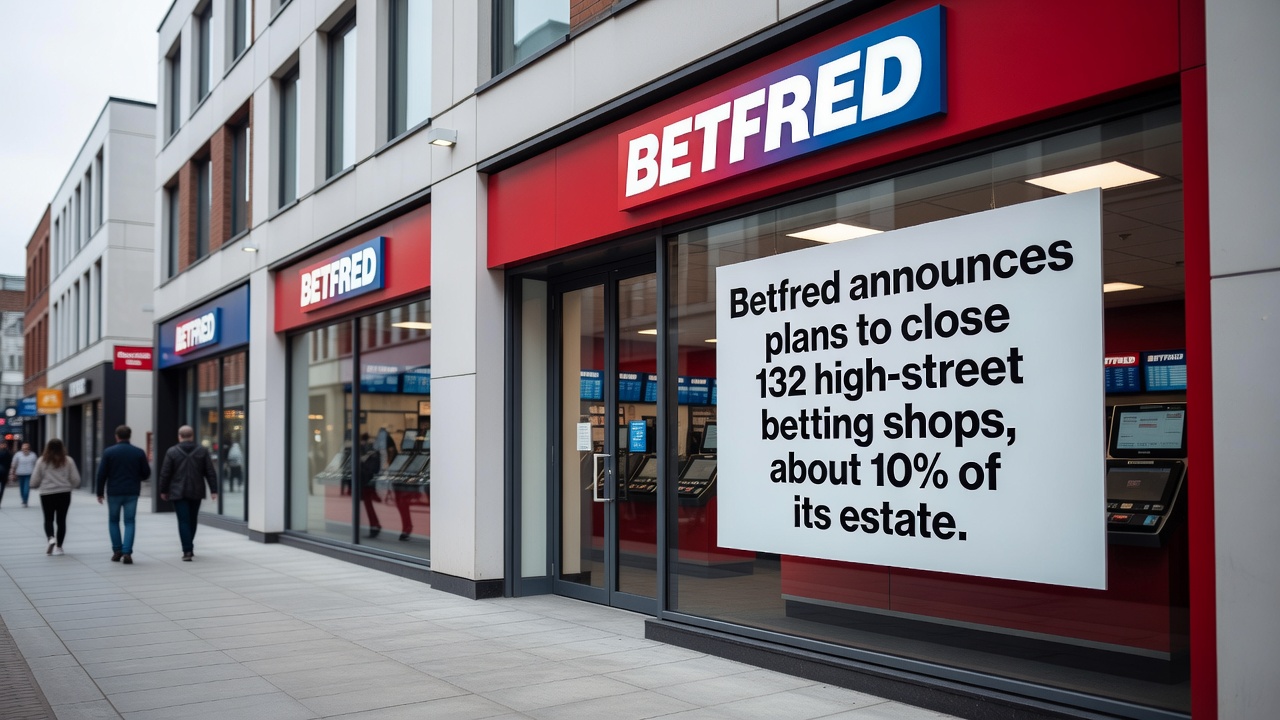
The sector pumps serious value into the UK economy, sustaining tens of thousands of jobs from tech developers in Manchester to customer support teams in Leeds, while tax revenues hit a robust 21% of gross gambling yield—funds that flow back into public services amid April 2026's budget talks.
Figures reveal how this contribution holds firm despite headwinds like inflation and levy hikes; operators, in turn, highlight their role in employment stats, where direct and indirect roles (think suppliers and affiliates) swell the total to figures that policymakers can't ignore.
It's noteworthy that as remote casinos lead, economic data shows diversified revenue streams bolstering stability—less reliant on seasonal sports peaks, more on round-the-clock casino play that keeps cash registers ringing.
Innovations Born from Regulatory Pressures
Strict oversight fosters a hotbed of compliance innovations, where machine learning models predict AML breaches with pinpoint accuracy, or gamification tools promote safer play without crossing ad lines; operators who've embraced these report smoother audits and happier regulators.
Now, with mobile at the forefront, apps embed these features natively—pop-up checks during casino streaks, geo-fencing for ad compliance, seamless age verification via biometrics—all while keeping the fun factor high.
Observers note a silver lining: what starts as red tape often evolves into player safeguards that build long-term trust, especially as participation steadies and digital tools make responsible gaming second nature.
Broader Trends in Digitalization and Adaptation
This casino-led surge reflects ongoing digitalization, where hybrid models blend remote access with land-based nostalgia, yet mobile's pull proves irresistible; regulatory adaptation keeps pace, with the Gambling Commission tweaking rules for crypto payments and metaverse casinos on the horizon.
And as April 2026 brings fresh economic data, the landscape shows resilience—participation steady, revenues climbing via remote channels, jobs secure amid innovations that turn challenges into strengths.
Those tracking the beat see patterns repeating: markets evolve toward convenience, regulators refine the balance between growth and protection, and players gravitate to what's quick, safe, and always available.
Key Takeaways from the 2026 Shift
- Remote casinos now lead the UK online gambling market, surpassing sports betting in dominance.
- Adult participation sits steady at 25-33%, with mobile platforms capturing most activity.
- Gambling Commission rules on licensing, AML, and ads drive compliance tech innovations.
- Sector supports tens of thousands of jobs and delivers 21% tax revenue to the economy.
- Digitalization and regulatory tweaks define the path forward.
Conclusion
Talk about a sector in flux yet firmly on track: as remote casinos claim the crown in 2026, backed by mobile momentum and a steady player base, the UK online gambling market demonstrates adaptability amid tight regulations and economic heft; data from sources like iGaming Today paints a picture of innovation thriving under scrutiny, with jobs flowing, taxes pouring in, and digital trends solidifying what comes next.
Turns out, when compliance meets convenience, the whole ecosystem levels up—setting the stage for sustained growth in a landscape that's anything but static.