UK Online Gambling Hits New Heights in 2026: 37.4 Million Accounts and £6.9 Billion Revenue Mark Explosive Growth
Bianca Klein · Mar 30, 2026

UK Online Gambling Hits New Heights in 2026: 37.4 Million Accounts and £6.9 Billion Revenue Mark Explosive Growth
Active Accounts Surge Past Pre-COVID Peaks
Figures from early 2026 reveal that the UK online gambling market now supports 37.4 million active accounts, a robust 24.1% increase compared to pre-COVID levels, signaling how digital betting has embedded itself deeper into everyday life while remote casino, betting, and bingo operations drive the momentum. Sports betting dominates with a commanding 56.64% market share, pulling in punters who favor football matches, horse races, and other live events over slots or bingo halls, according to data compiled by Limelight Digital.
What's interesting is how this growth unfolds amid broader economic shifts; people turn to online platforms not just for thrills but because they're accessible anytime, anywhere, with mobile apps making it seamless to place bets during commutes or breaks. And while the numbers impress, they also spotlight patterns observers have tracked for years, like the steady climb in participation rates that started accelerating post-pandemic lockdowns.
Revenue Breakdown Shows Sports Betting's Iron Grip
The sector generated £6.9 billion in annual revenue last year from those remote operations, with sports betting not only leading the pack at over half the total but also fueling innovations in live streaming and in-play wagering that keep users engaged longer. Casinos and bingo carve out the rest, yet data indicates sports remains the cash cow, especially as major leagues like the Premier League draw massive volumes during peak seasons.
Take one typical weekend in March 2026; millions logged in for matches, contributing spikes that experts link directly to this dominance, while bingo appeals to a more casual crowd seeking quick, low-stakes fun. But here's the thing: this revenue doesn't just vanish into thin air, as operators channel chunks back into marketing, tech upgrades, and compliance costs to stay ahead of regulators.
Digital Shift Reshapes Player Preferences
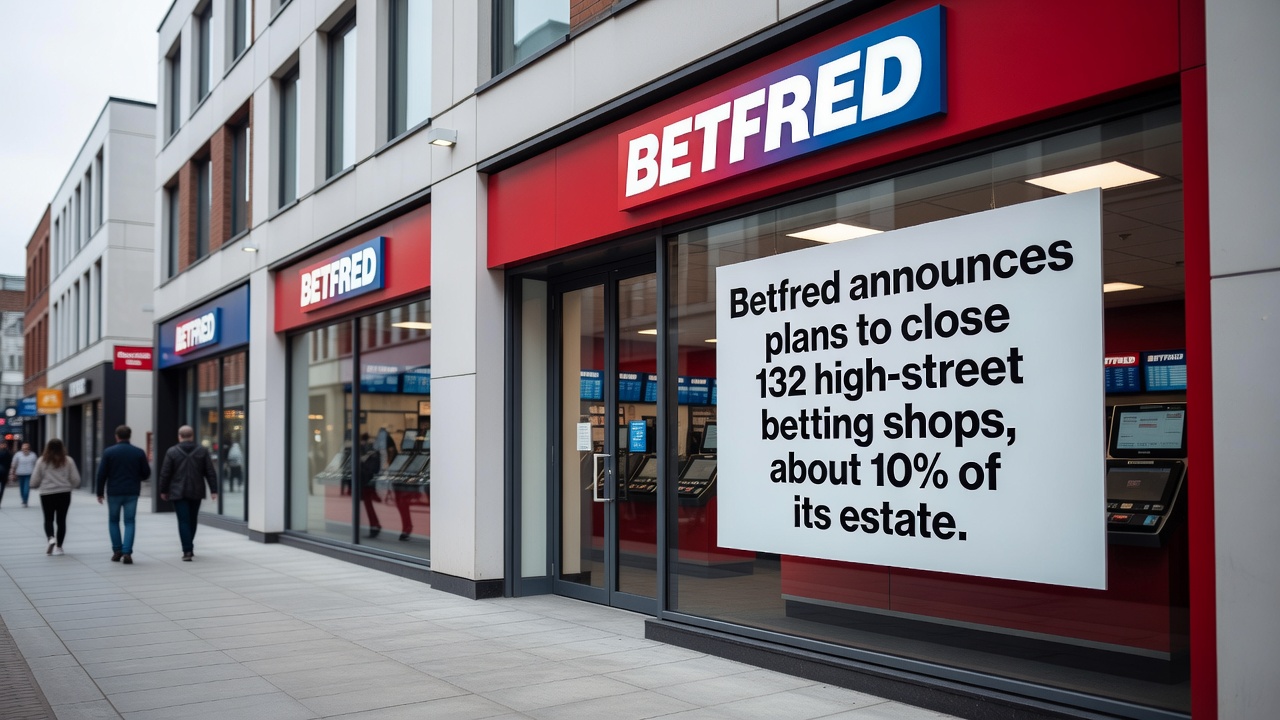
Seventy percent of players now prefer digital platforms over land-based venues, a trend that gathered steam during lockdowns and shows no signs of slowing, with apps and websites offering everything from personalized odds to instant withdrawals. Researchers note how this preference ties into younger demographics who grew up with smartphones, making physical bookies feel outdated by comparison, although traditionalists still pop into high streets for the social vibe.
And so, as March 2026 unfolds with spring festivals like Cheltenham on the horizon, online traffic surges, proving the digital pivot isn't a fad but a fundamental change in how the nation gambles. It's noteworthy that this shift boosts convenience, yet it also amplifies concerns around easy access for vulnerable groups.
Student Gambling Emerges as a Pressing Pattern
Among university students, 60% report gambling annually, often losing an average of £35.25 per week, figures that highlight how campus life intersects with betting apps promising quick wins on esports or accumulators. Studies reveal this group dives in via free bets and social media ads, turning peer pressure into real stakes, while support services on campuses scramble to keep up with the demand for help.
One case observers point to involves freshers at major unis who start with small football bets but escalate during exam stress, underscoring why experts call for targeted education campaigns. That said, not all experiences sour; some treat it as entertainment, yet the weekly losses add up fast for those chasing parlays gone wrong.
Addiction Rates and the Human Cost
Addiction touches 2.5% of UK adults, a statistic that underscores the double-edged sword of market expansion, as easy digital entry points correlate with higher problem gambling instances tracked by official industry statistics from the Gambling Commission. Those affected often face mounting debts, mental health strains, and family disruptions, prompting helplines to report record calls in early 2026.
Turns out, self-exclusion tools and deposit limits help many, but data shows a persistent core group slips through, especially with features like autoplay on slots pulling players in for hours. Experts who've studied this know the reality: prevention beats cure, and March 2026 sees fresh pushes for mandatory stake caps to curb the tide.
Black Market Siphons Billions Underground
Meanwhile, £2.7 billion in stakes flows through black-market channels, evading taxes and safeguards, as unlicensed sites lure punters with sky-high odds or crypto anonymity that legit operators can't match. This shadow economy thrives on distrust in regulations, pulling in high rollers who bypass ID checks, although crackdowns by authorities have nipped some operators in recent raids.
What's significant is how it undermines the licensed sector's £6.9 billion haul; people who've dug into transaction data estimate losses could climb without tighter borders on payments. And with events like the Six Nations rugby heating up this March, unregulated bets on those matches exemplify the risks, from rigged outcomes to zero recourse for winners stiffed on payouts.
Projections Point to Stellar Growth Ahead
The market eyes USD 15.09 billion by 2030, cruising at a 12.8% CAGR, driven by tech like VR casinos, AI odds-making, and expanded esports betting that appeals to Gen Z. Forecasts from Limelight Digital factor in regulatory tweaks, population growth, and disposable income rebounds, painting a picture of sustained boom if black-market bleed stops.
So, as operators invest in safer gambling tech—think real-time spending alerts and behavioral analytics—the trajectory looks solid, yet observers caution that student trends and addiction stats demand vigilance. One study even models scenarios where stricter rules temper growth to 10% CAGR, balancing revenue with responsibility.
Now, picture this: by Cheltenham in late March 2026, ante-post markets already hum online, foreshadowing how these projections play out in real time, with millions wagering smarter thanks to data tools.
Conclusion
The UK online gambling landscape in 2026 stands as a testament to digital transformation, boasting 37.4 million accounts, £6.9 billion revenue, and sports betting's hefty slice, even as student habits, addiction at 2.5%, and £2.7 billion black-market stakes remind stakeholders of the stakes involved. Projections to USD 15.09 billion by 2030 at 12.8% CAGR suggest more to come, provided safeguards evolve alongside the tech; 70% digital preference cements the shift, and March 2026 metrics show it's not slowing down. Those tracking the beat see clear patterns: growth fuels innovation, but unchecked trends invite scrutiny, making balanced oversight key to the road ahead.