UK Government Doubles Remote Gaming Duty to 40%: Industry Braces for Black Market Surge After Autumn Budget Shock
Tina Bennett · Apr 4, 2026

UK Government Doubles Remote Gaming Duty to 40%: Industry Braces for Black Market Surge After Autumn Budget Shock
The Budget Announcement That Rocked Online Gambling
On April 1, 2026, the UK government implemented a dramatic hike in the Remote Gaming Duty (RGD), jumping the tax rate on online casino revenue from 21% to a hefty 40%, a move Chancellor Rachel Reeves unveiled during her Autumn Budget speech; this change, effective immediately, targets the booming remote gambling sector and aims to bolster public finances amid economic pressures, yet it has sparked immediate backlash from industry players who see storm clouds gathering over licensed operations.
Licensed operators, already navigating tight margins, now face intensified cost burdens that could reshape the landscape; take Evoke, the parent company behind William Hill, which plans to shutter 200 betting shops starting in May 2026, a decision accelerated by the fresh tax squeeze even as it grapples with broader retail challenges.
What's interesting here is how the timing aligns with ongoing sector shifts, where online growth has long overshadowed physical outlets, but this tax leap threatens to tip the scales further; observers note that punters, lured by superior odds and juicy bonuses on unregulated black market sites, might flock there en masse, bypassing the oversight that keeps licensed platforms in check.
Remote Gaming Duty Explained: From 21% to 40% Overnight
The RGD, introduced back in 2001 and tweaked over the years, levies a tax on profits from remote casino games like slots and roulette, excluding sports betting which falls under a separate points-based system; until this hike, the 21% rate had held steady since 2019, allowing operators to contribute steadily to the Treasury while funding everything from problem gambling support to local economies.
But here's the thing: Chancellor Reeves' budget framed the increase as a pragmatic revenue raiser, projected to swell government coffers by hundreds of millions annually, although exact figures remain under wraps; data from the World Casino Directory report highlights how this 19 percentage point surge—nearly doubling the levy—hits casino revenue hardest, sparing land-based operations but hammering digital ones that dominate modern punter habits.
Figures reveal the regulated online gambling industry already pumps £4 billion yearly into tax revenues, supporting 109,000 jobs across the board; licensed firms, represented by groups like the Betting and Gaming Council (BGC), warn that pushing rates this high risks unraveling that contribution as customers chase black market alternatives offering better value without the tax man's cut.
Industry Voices Raise Alarm: Betting and Gaming Council Leads the Charge
The BGC, voice of major operators, didn't mince words in response, labeling the hike a potential catalyst for black market explosion; their statement, echoed in industry analyses, points to billions already staked annually on unregulated platforms—billions with no oversight, no consumer protections, and zero tax yield—a shadowy ecosystem that thrives on anonymity and aggressive incentives.
Experts who've tracked this space for years observe patterns where tax hikes in other jurisdictions, like parts of Europe, drove similar migrations; now, with UK punters facing diminished odds on licensed sites due to passed-on costs, the council predicts slashed marketing budgets as firms tighten belts, leading to fewer promotions that keep players engaged legally.
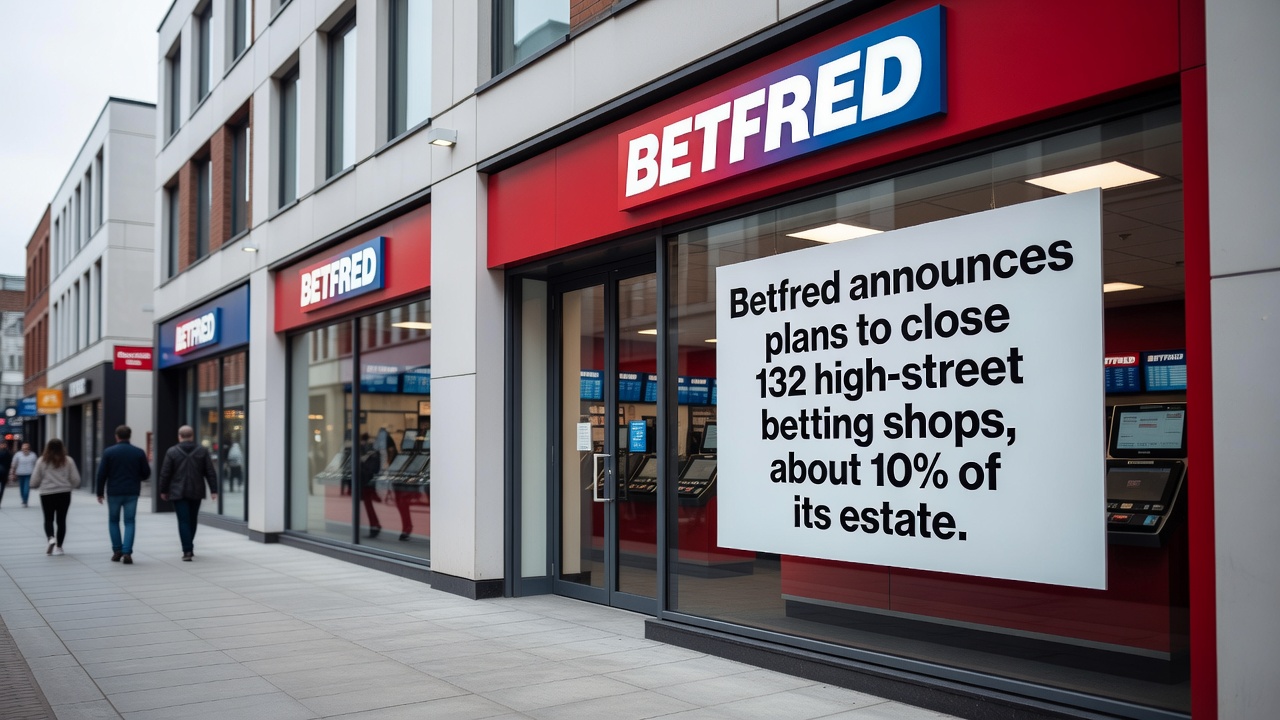
And layoffs loom large too; operators, squeezed between higher duties and stagnant revenues, might cut staff to survive, compounding job losses from betting shop closures that have already thinned high streets—Evoke's 200 William Hill outlets mark just one high-profile casualty, with more potentially following suit.
Black Market Boom: The Real Risk Beneath the Surface
Turns out the unregulated sector isn't some fringe player; studies estimate it handles billions in UK stakes each year, fueled by offshore sites that dodge Gambling Commission rules while dangling bonuses licensed rivals can't match post-tax; punters, especially casual casino players, often discover these havens through word-of-mouth or ads on unregulated channels, drawn by the promise of superior returns.
One case that underscores the threat involves past enforcement crackdowns, where the Commission blocked thousands of black market domains, yet new ones pop up like weeds; this tax hike, critics argue, waters that garden further, as licensed operators hike prices or trim offerings to offset the 40% bite, making gray-market temptations all the more appealing.
It's noteworthy that the BGC ties this directly to jeopardy for the £4 billion tax haul and 109,000 jobs, sectors from tech developers to call center staff hanging in the balance; while government coffers might see short-term gains, long-term erosion could follow if migration accelerates, a scenario observers have seen play out elsewhere where high taxes chased volume offshore.
Operator Pressures Mount: Layoffs, Closures, and Marketing Cuts
Evoke's move to close 200 William Hill shops starting May 2026 exemplifies the ripple effects, blending the tax news with preexisting retail woes like high rents and shifting punter preferences toward apps; but the RGD spike adds fuel, forcing firms to rethink entire strategies amid costs that now devour nearly half of casino profits.
Licensed players face a tough calculus: absorb the hit and risk insolvency, pass it on via worse odds and lose customers, or slash elsewhere like marketing—where budgets already fund the ads and bonuses that compete with black market flash; people who've studied operator finances note how this could accelerate consolidation, with smaller outfits folding while giants consolidate power, albeit under heavier fiscal strain.
Yet the BGC pushes back hard, urging policymakers to reconsider before the damage mounts; their warnings highlight how regulated gambling delivers not just revenue but safeguards—self-exclusion tools, age verification, fair play audits—that vanish in the black market's wilds.
Broader Implications for Punters and the Economy
For everyday punters, the shift means navigating a landscape where licensed sites might feel the pinch through tighter bonuses or adjusted payouts, nudging some toward riskier unregulated waters; those who've dipped into black markets often encounter issues like withheld winnings or data breaches, problems the Commission mitigates in the legal sphere.
Economically, the stakes run high: 109,000 jobs underpin communities, from Manchester call centers to London tech hubs, while £4 billion in taxes fund public services; a black market swell threatens that pipeline, potentially costing more in enforcement and social harms than the duty gains.
Now, as April 2026 unfolds, all eyes turn to operator adaptations and punter behavior; will the hike deliver the revenue windfall, or prove a pyrrhic victory that bolsters the shadows?
Conclusion: A Tipping Point for UK Gambling Regulation
The Remote Gaming Duty's climb to 40% marks a pivotal moment, balancing fiscal needs against industry vitality; while Chancellor Reeves' budget secures immediate funds, the Betting and Gaming Council's dire forecasts—black market billions, job losses, revenue erosion—loom as stark counterpoints, urging close watch on what unfolds next.
Licensed operators like Evoke press on amid shop closures and cost crunches, but the real test lies in whether punters stay put or scatter; data will tell soon enough, as quarterly reports reveal if the regulated sector holds firm or fractures under the weight.