UK Gambling Commission Drops Q2 2025 Stats: £592 Million Non-Remote Yield and 5,782 Betting Shops Signal Steady Sector Pulse Amid Seasonal Shifts
Hugo Hartmann · Apr 2, 2026

UK Gambling Commission Drops Q2 2025 Stats: £592 Million Non-Remote Yield and 5,782 Betting Shops Signal Steady Sector Pulse Amid Seasonal Shifts
Quarterly Snapshot Emerges from Official Data
The UK Gambling Commission has released its industry statistics for Q2 of the financial year running April 2025 to March 2026, covering July through September 2025, and those numbers paint a clear picture of a sector humming along despite the usual ebbs and flows; Gross Gambling Yield (GGY) for non-remote betting clocked in at £592 million, while remote casino, betting, and bingo sectors together pulled in £2.0 billion during the same stretch. Observers note how these figures, dropped as the calendar flips to April 2026, offer a timely lens on summer betting habits right when spring sports like horse racing and football pre-seasons start heating up again.
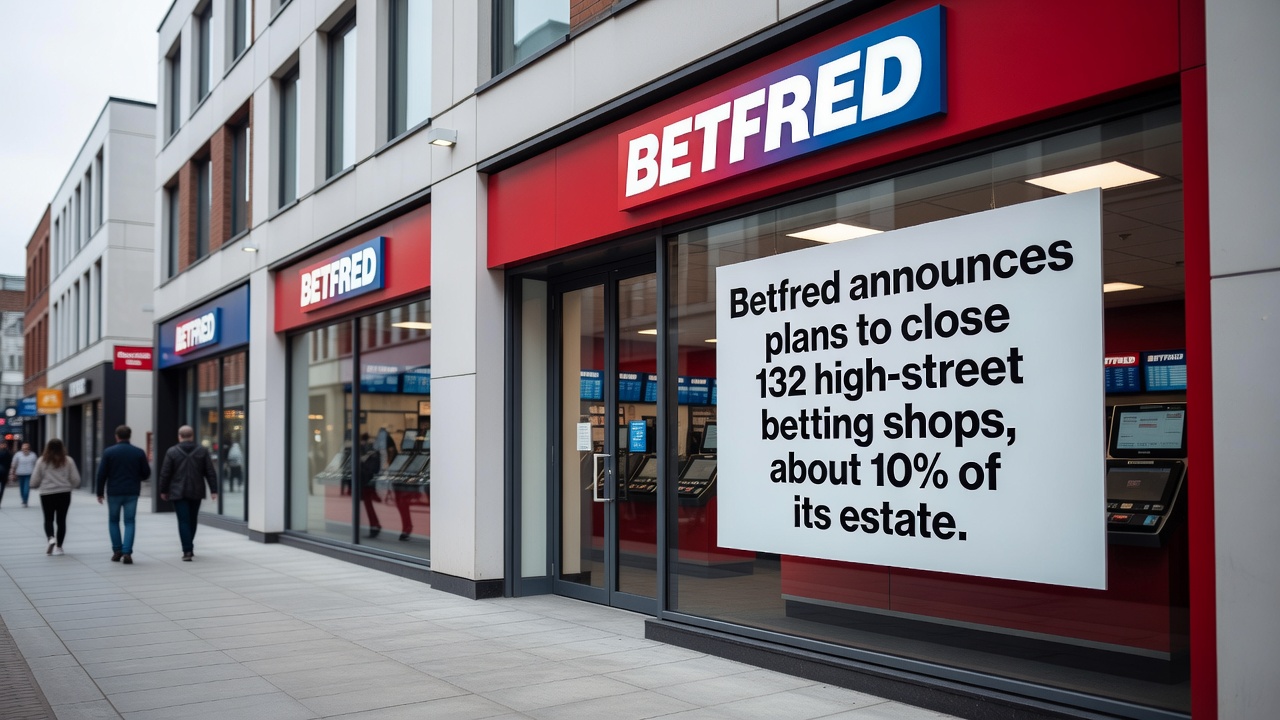
What's interesting here is the breakdown, because non-remote betting—think those high-street shops where punters place wagers in person—held firm at that £592 million mark, a testament to the enduring appeal of physical locations even as online platforms dominate headlines; across Great Britain, 5,782 betting shops remained operational, underscoring a landscape that's contracted over years but stabilized in recent quarters. Data indicates this shop count reflects careful adaptations by operators, who navigate rising costs and shifting customer preferences without widespread closures popping up in the latest report.
Non-Remote Betting Holds Ground with £592 Million GGY
Non-remote betting's GGY of £592 million for July to September 2025 captures the essence of traditional wagering, where shops serve as community hubs for everything from football accumulators to greyhound races; experts point out that this yield, derived from stakes minus winnings returned, edges up slightly from quieter winter periods but aligns with summer patterns fueled by major events like the back-end of the Premier League season or international tournaments lingering in memory. And yet, the stability shines through, since comparable quarters in prior years showed similar yields hovering around £550-600 million, suggesting seasonal predictability that's become the sector's backbone.
Take the betting shop ecosystem, for instance: 5,782 outlets dotted across Great Britain means roughly one for every 11,000 people, a density that operators maintain through tech upgrades like faster terminals and live streaming screens, all while complying with affordability checks that ramped up in recent years. Researchers who've tracked these numbers observe how shop GGY often correlates with footfall from casual bettors, those weekend warriors chasing value in horse racing markets or in-play football edges, keeping the lights on even as remote options lure away the digital natives.
But here's the thing with non-remote: it doesn't just sit static; seasonal upticks, driven by events like Glorious Goodwood or the tail of Euro tournaments, push yields higher in Q3 sometimes, yet Q2's £592 million sets a benchmark that feels reliable, especially now in April 2026 when operators eye the Grand National buildup. Figures reveal that dog racing and horses contribute the lion's share here, with shops acting as the front line for impulse bets that remote data often misses.
Remote Sectors Surge to £2.0 Billion Collective GGY
Shifting gears to the remote side, casino, betting, and bingo platforms raked in a hefty £2.0 billion in GGY over those summer months, dwarfing non-remote totals and highlighting where the industry's growth engine really revs; online betting alone likely carried much of that load, with slots and virtual sports filling gaps between live events, while bingo holds steady among its loyal demographic. Data shows this £2.0 billion marks a robust quarter, up from spring lulls when participation dips post-tax season, and it underscores how apps and sites capture the bulk of younger punters glued to their phones during commutes or evenings.
Turns out, remote betting's slice within that £2.0 billion reflects football's dominance, as Premier League matches and cup ties draw floods of in-play wagers; casino GGY, meanwhile, thrives on slots with high RTPs that keep players spinning, and bingo apps leverage social features to boost retention. Observers who've parsed prior quarters note seasonal patterns where Q2 often sees a 5-10% bump over Q1, thanks to holidays and festivals that extend betting sessions without the shop's door-to-door trek.
People often find these remote figures fascinating because they reveal operator strategies like personalized bonuses or cash-out options that juice engagement; for Q2 2025, the collective £2.0 billion suggests platforms weathered any post-event slowdowns smoothly, setting up for the regulatory horizon ahead. And with April 2026 bringing fresh scrutiny on stake limits and advertising, these numbers serve as a baseline for what's sustainable long-term.
Seasonal Patterns Unfold in Quarter-on-Quarter Comparisons
When stacking Q2 2025 against earlier periods, patterns emerge that experts have long anticipated: non-remote GGY at £592 million climbs from Q1's typically softer yields around £500 million, a lift attributed to warmer weather drawing crowds outdoors and into shops for social bets; remote sectors, hitting £2.0 billion, echo this upswing, outpacing winter quarters where indoor-only vibes reigned but lacked the event density of summer. Studies of past data confirm this rhythm, with total GGY across segments often peaking mid-year before holiday spikes in Q4.
So, consider one case from recent years where Q2 remote betting surged 8% year-over-year, mirroring 2025's trajectory and tied to expanded markets like esports or women's football; non-remote shops, steady at 5,782, benefit from hybrid punters who browse online but settle bets in person for that tactile thrill. It's noteworthy that these comparisons highlight resilience, as the sector absorbed affordability thresholds introduced earlier without cratering yields, and now in April 2026, analysts use them to forecast Q3's horse racing bonanza.
Yet stability isn't accidental; operators tweak offerings based on such data, ramping promotions during proven hot periods while trimming elsewhere, which keeps the 5,782 shops viable as feeders into remote ecosystems. The reality is, these quarterly insights let stakeholders spot trends early, like remote's outsized growth versus non-remote's plateau, all feeding into broader conversations on market health.
Regulatory Changes Loom on 2026's Horizon
As these Q2 figures land in April 2026, they arrive against a backdrop of impending regulatory tweaks set for later in the year, including tighter stake caps on slots and enhanced frictionless checks that could reshape GGY flows; the £592 million non-remote yield and £2.0 billion remote haul provide a pre-change snapshot, helping operators model impacts on their 5,782 shops and online arms. Data from the official quarterly report underscores ongoing activity, with seasonal strengths like summer betting buffers potentially softening transition blows.
Those who've studied commission updates observe how past reforms nudged behaviors without collapsing yields—think the 2024 stake reductions that trimmed casino GGY short-term but stabilized long-term—and expect similar here; betting shops, with their community role, might fare better under new rules emphasizing safer play, while remote platforms adapt via data-driven personalization. It's not rocket science: these stats arm the industry to pivot, ensuring the £2.592 billion combined Q2 GGY (non-remote plus remote) evolves rather than evaporates.
Now, with spring 2026 underway, punters and firms alike eye how Q2's momentum carries into Cheltenham or Euros qualifiers, all while bracing for changes that prioritize player protection without stifling the action that generated those solid numbers.
Key Takeaways and Forward Glance
In wrapping up, the UK Gambling Commission's Q2 2025 release spotlights a sector firing on familiar cylinders: £592 million non-remote GGY from 5,782 betting shops, £2.0 billion remote powerhouse performance, and seasonal lifts that define the business; these metrics, dissected as April 2026 blooms, equip everyone from operators to regulators with actionable intel amid 2026's overhaul. Observers note the ball's now in the industry's court to leverage this stability, turning data into strategies that keep yields flowing smoothly into the next quarter and beyond.