Synchronizing Scanner Alerts with Historical Margin Patterns for Multi-Venue Accumulator Construction
Tina Bennett · May 23, 2026
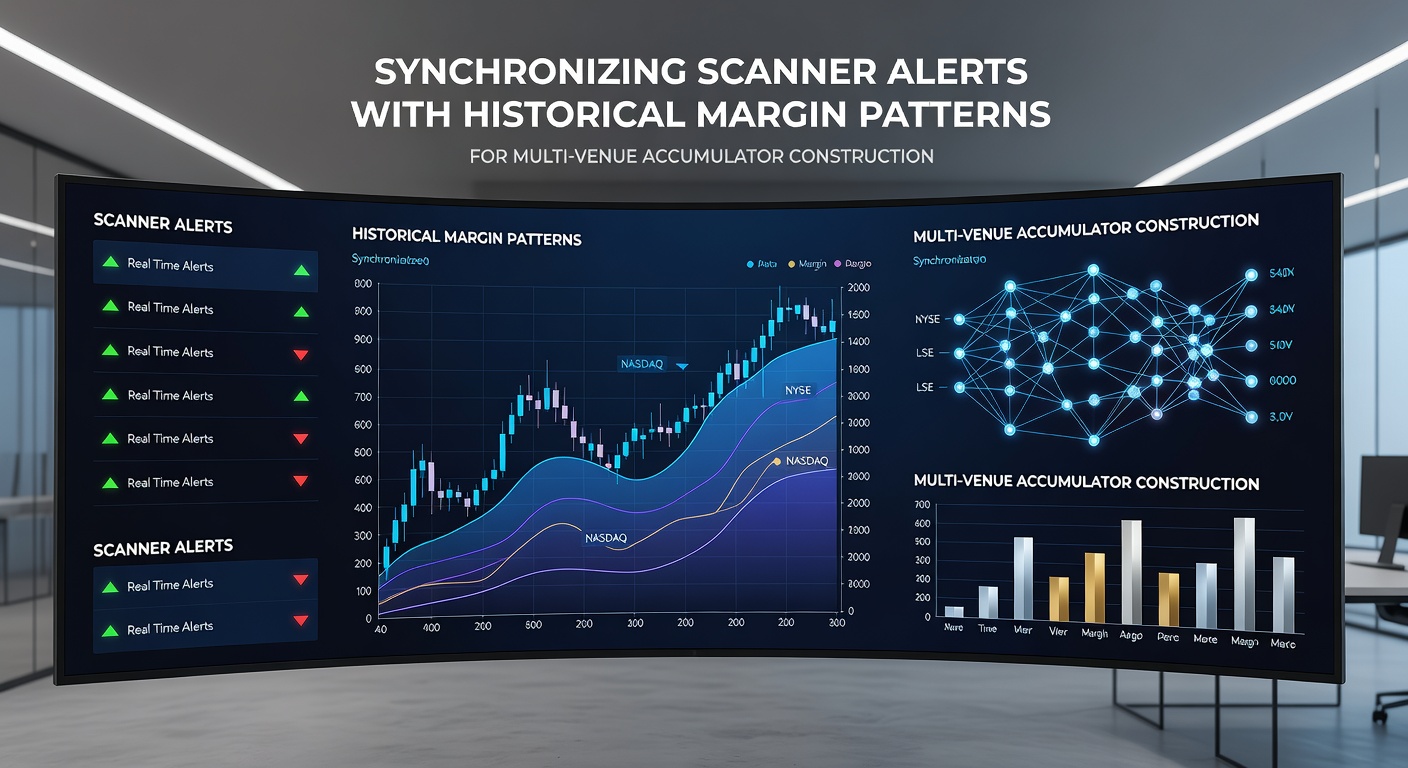
Synchronizing Scanner Alerts with Historical Margin Patterns for Multi-Venue Accumulator Construction
Betting scanners have become central tools for identifying opportunities in accumulator markets where multiple selections combine into single wagers across different operators and regions, and synchronization with historical margin patterns adds a layer of precision that data sets alone cannot achieve. Observers note that margin patterns reflect the built-in advantage each venue maintains on specific event types, and aligning scanner alerts to these patterns allows construction of accumulators that account for consistent discrepancies rather than isolated price movements.
Understanding Margin Patterns in Multi-Venue Contexts
Historical margin data reveals how individual bookmakers adjust their edges over time on particular sports, leagues, and bet types, while scanner systems track live odds feeds to flag potential accumulator components. Researchers at the University of Nevada, Las Vegas have documented that margin stability varies significantly between venues, with some maintaining tighter spreads on soccer totals and others showing wider ranges on horse racing place markets during peak periods. Those who study these datasets find that synchronizing alerts involves mapping scanner notifications against archived margin trends so that selections only trigger when current pricing deviates from established venue norms in predictable ways.
Multi-venue accumulator construction requires simultaneous monitoring because odds offered by one operator can offset or compound the margins embedded in selections from another. Data from industry reports shows that accumulators built without margin alignment often incorporate selections where cumulative edges exceed apparent value, reducing long-term viability even when individual legs appear favorable at first glance.
Scanner Alert Synchronization Techniques
Effective synchronization starts with exporting historical margin records into scanner-compatible formats so that real-time alerts carry contextual overlays indicating whether a flagged price sits inside or outside normal venue parameters. Experts have observed that this process benefits from timestamp correlation, matching alert generation moments with past instances where similar margin gaps preceded measurable shifts in accumulator performance. Venues undergoing operational adjustments scheduled around May 2026 provide fresh datasets for recalibration, since changes in market access and tax structures can alter margin behaviors across previously stable categories.
Alerts gain additional utility when filtered through pattern recognition that flags recurring sequences, such as a particular bookmaker tightening margins on midweek football fixtures after certain regulatory announcements elsewhere in the supply chain. Those building accumulators across venues often apply layered rules where a scanner alert must satisfy both current odds thresholds and historical margin deviation criteria before inclusion in the overall structure.
One study revealed that operators in regulated Australian markets maintain distinct margin profiles compared with European counterparts, creating cross-regional opportunities when scanner systems incorporate these differences into alert logic. Construction of multi-venue accumulators then proceeds by sequencing selections according to the strength of alignment between live signals and archived patterns rather than by raw odds alone.
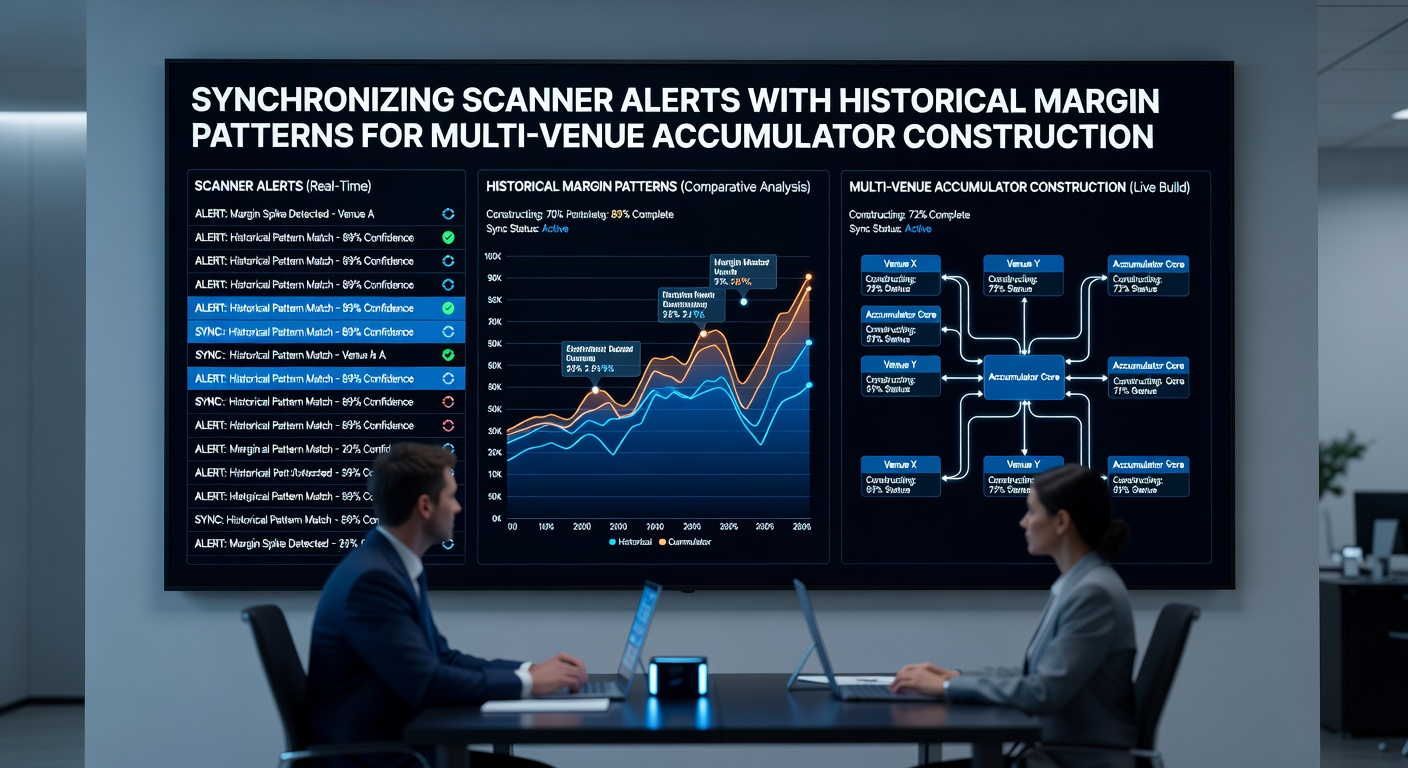
Building Accumulators Across Venues
Accumulator ladders emerge when scanner alerts are grouped by margin consistency rather than event correlation alone, allowing selections from independent markets to combine without introducing hidden overlaps in venue-specific edges. According to figures from the Canadian Gaming Association, accumulators constructed with synchronized margin data demonstrate measurable differences in outcome distribution compared with those assembled through price comparison only. Practitioners apply these distinctions by prioritizing alerts that appear during periods when historical records show repeated margin compression or expansion at the target venues.
Geographic variation adds another dimension because regulatory environments in different jurisdictions influence how margins evolve, and scanner systems that import jurisdiction-specific archives improve the accuracy of multi-venue selections. Alerts become more actionable when cross-referenced against seasonal margin cycles that repeat across years, such as adjustments during major tournament periods or off-peak scheduling windows.
Conclusion
Synchronization of scanner alerts with historical margin patterns supports more structured accumulator construction by embedding venue-specific context into each selection decision. As operators adapt to evolving market conditions including those anticipated around May 2026, the integration of archived margin records with live alert systems continues to shape how multi-venue accumulators are assembled and evaluated across different regulatory landscapes.