Synchronizing Analytical Platforms with Allocation Frameworks to Stabilize Positions Across Equine Contests and Association Football Events
Bianca Klein · May 18, 2026
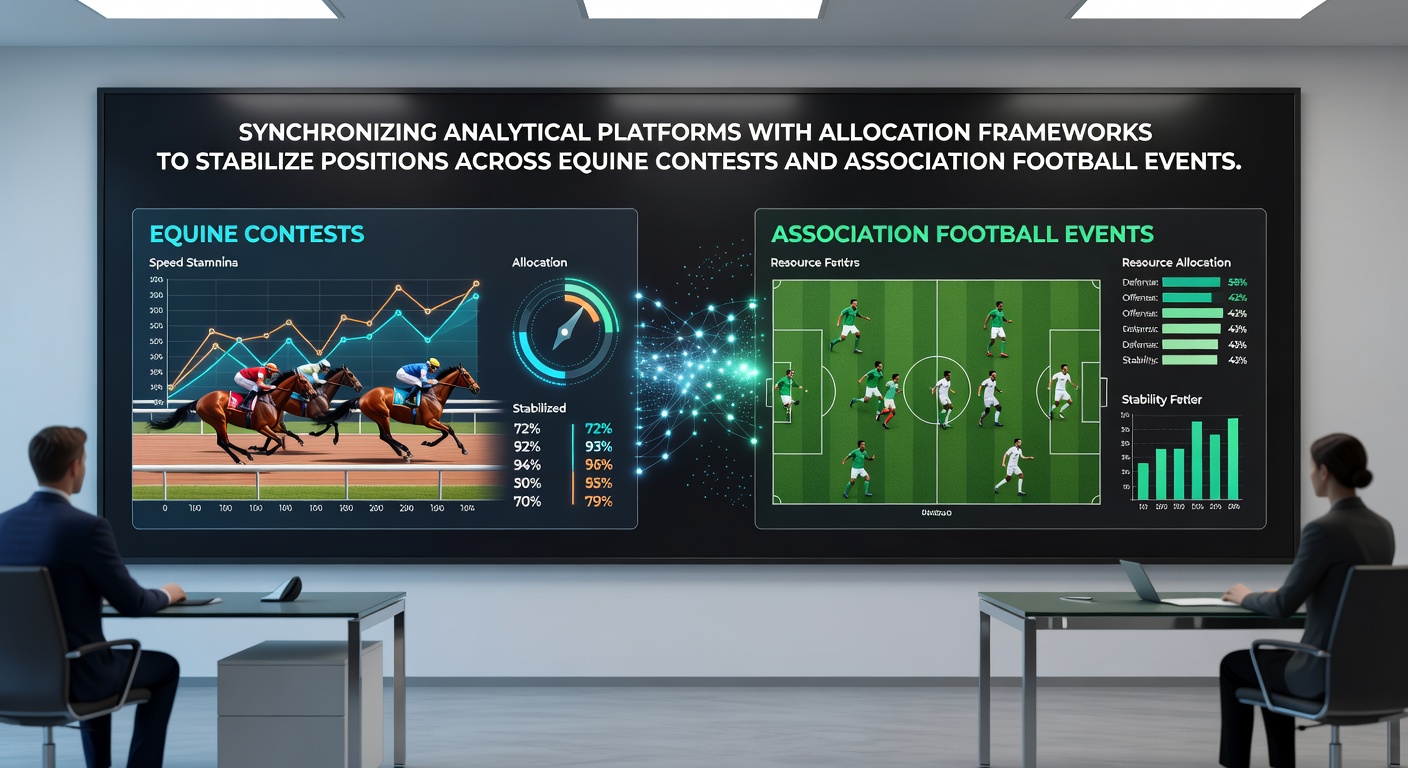
Synchronizing Analytical Platforms with Allocation Frameworks to Stabilize Positions Across Equine Contests and Association Football Events
Analytical platforms now pull real-time data from multiple tracks and leagues while allocation frameworks adjust stake sizes across those same events, and this coordination helps maintain balanced exposure even when markets shift quickly. Researchers have documented how operators link odds comparison engines directly to bankroll distribution tools, which creates automated checks that prevent over-concentration in any single outcome. Data from industry reports shows that such linkages reduce variance in daily position values by measurable margins, particularly during overlapping race meetings and midweek football fixtures.
Core Components of Integrated Systems
Equine contests generate vast streams of form data, track conditions, and jockey statistics that feed into probability models, whereas association football events supply lineups, expected goals metrics, and historical head-to-head records. When these feeds enter a shared platform the allocation layer can recalculate exposure limits across both categories in one cycle. Observers note that this setup allows a position taken on a morning jumps meeting to influence available capital for an evening Premier League match without manual intervention. Studies from European gaming research centers indicate that synchronized updates cut response times from minutes to seconds, and that speed matters when late drifts appear in either sport.
Handling Overlapping Schedules
Many racecards run alongside international football calendars, and bettors often hold interests in both at once. An integrated framework spots when a horse's odds shorten while a soccer total goals line moves in the opposite direction, then it reallocates portions of the overall stake pool to keep net exposure within preset bands. Figures from North American regulatory filings reveal that operators using these combined tools report fewer instances of unintended correlation between seemingly independent results. The process relies on continuous data handshakes rather than batch updates, which prevents the kind of drift that occurs when separate systems fall out of step.
Practical Adjustments During Industry Changes
With several hundred UK betting shops scheduled for closure from May 2026 due to rising operational costs, more activity shifts toward online platforms that already rely on centralized analytics. This transition increases demand for allocation models capable of absorbing higher volumes across digital channels. Government agencies in Australia have tracked similar migrations and found that operators who maintain synchronized position controls experience steadier liquidity during peak periods. Those who've studied the pattern observe that the same tools also help manage cross-border data compliance requirements without disrupting stake distribution logic.
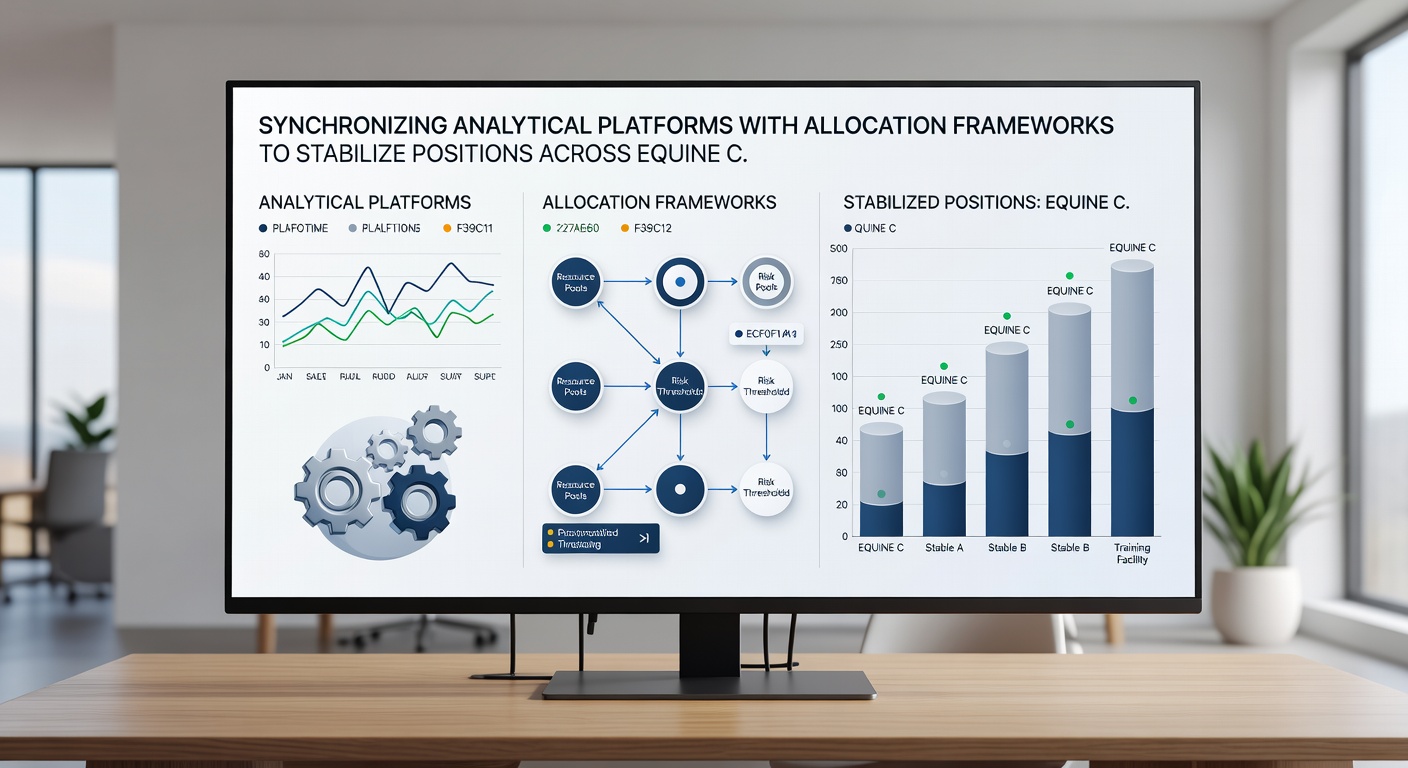
One case examined by Canadian research institutes involved a mid-sized operator that connected its racing analytics module to a football-specific framework ahead of a major festival weekend. The system automatically reduced football stakes when equine positions grew beyond target thresholds, and end-of-day variance dropped noticeably compared with prior events. Such examples illustrate how the technical link operates in live conditions rather than theoretical models.
Data Flow and Decision Loops
Information moves from event-specific scrapers into a central probability engine, then allocation rules apply weighting factors based on current portfolio heat. Short sentences help here. The engine flags any position that exceeds a pre-set percentage of total capital. A longer clause follows because the framework then suggests offsetting moves across unrelated markets, whether that means adding exposure to an under-bet horse in a later race or trimming a football accumulator leg. Academic papers from several universities highlight that these loops function best when latency stays under three seconds, and that requirement drives the choice of database architecture.
What's interesting is how the same architecture supports scenario testing before actual funds move. Users can simulate an entire afternoon of racing combined with a full slate of evening fixtures, and the allocation layer shows projected position ranges under different outcome combinations. This rehearsal phase helps identify potential bottlenecks before real money enters the system.
Conclusion
Coordinated analytical and allocation systems continue to evolve as data volumes grow and market schedules overlap more frequently. Regulatory bodies across multiple regions now examine how these tools affect overall market stability, and operators respond by refining the connections between their data sources and stake controls. The result is a more consistent approach to holding positions across equine and football events, supported by the infrastructure changes expected through 2026 and beyond.