Layered Calculator Approaches Bolstering Staking in Cross-Sport Multi-Market Sequences
Leon Keller · Jun 11, 2026
Layered Calculator Approaches Bolstering Staking in Cross-Sport Multi-Market Sequences
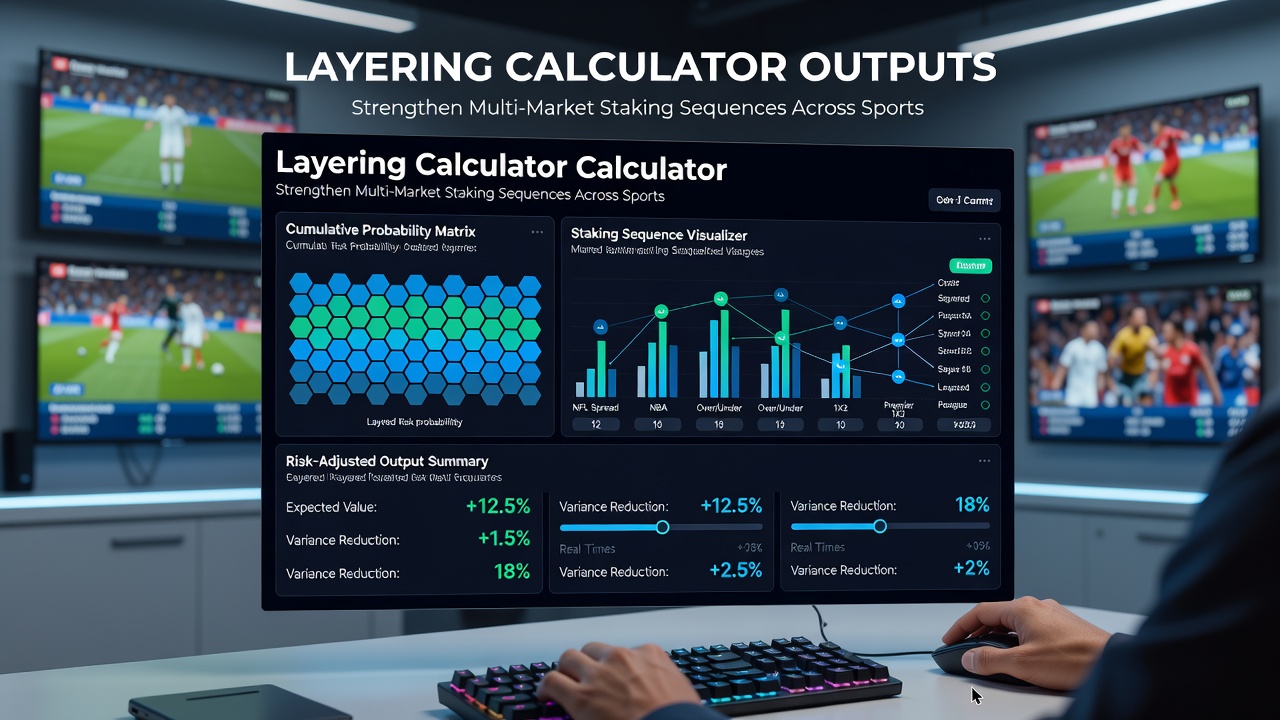
Layered calculator outputs combine data from separate models into sequenced staking plans that span football, tennis, and horse racing markets simultaneously. Researchers at academic institutions have examined how these combined figures adjust position sizes based on overlapping probabilities and bankroll constraints. Data from 2025 industry reports show increased adoption of such methods among professional operators who manage portfolios across several events each week.
Calculators process inputs like implied probabilities, market odds, and historical variance before generating base stake recommendations. When outputs from one calculator feed into a second layer that accounts for cross-market correlations, the resulting sequence reduces exposure during periods of high volatility. Observers note that this process becomes particularly relevant in June 2026 when major tournaments overlap with summer racing festivals and create denser betting calendars.
Core Mechanics of Output Layering
Each calculator produces a standalone stake suggestion derived from its own dataset and formula. The layering step takes those figures and applies a weighting matrix that considers liquidity differences and timing gaps between markets. Studies from the University of Nevada Las Vegas Gaming Research Center indicate that sequential adjustments can maintain overall bankroll stability when individual market edges fluctuate independently.
Practitioners first run primary calculators on high-liquidity football markets to establish baseline allocations. Secondary calculators then incorporate tennis or racing data to refine those allocations for events scheduled later the same day. This creates a chain where early outcomes influence later stake sizes without requiring manual recalibration after every result.
Application Across Different Sports Markets
Football accumulators benefit when calculator layers account for half-time and full-time correlations within the same fixture. Tennis markets introduce different variance patterns because of set-by-set scoring structures that allow mid-match recalibration. Horse racing sequences add another dimension through field size and going conditions that affect each race independently yet share common bankroll limits.
One documented workflow involves exporting outputs from a football value model into a multi-sport aggregator that also processes Australian Open tennis odds and Ascot race data on the same afternoon. Figures reveal that such aggregation maintains consistent unit sizing across all three while respecting daily exposure caps set by the operator.
Sequence Construction and Risk Distribution
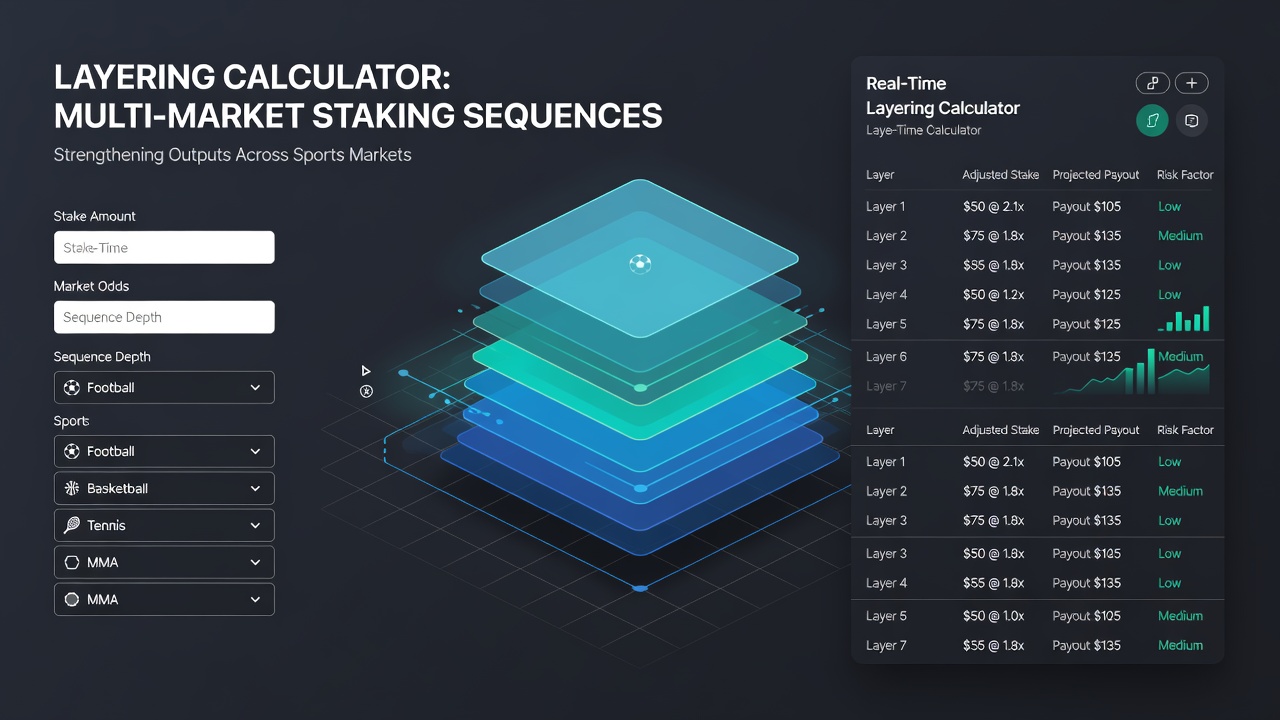
Staking sequences gain durability when each layer incorporates time-decay factors that reduce position sizes as later events approach. The European Gaming and Betting Association has published summaries showing how operators using layered methods distribute risk across at least three distinct market types rather than concentrating on a single sport. This distribution occurs because calculator outputs are recalibrated after each completed event and fed forward into remaining legs of the sequence.
Bankroll division occurs at the final layer where total available capital is split according to the weighted outputs. Short sequences spanning two or three events allow rapid feedback loops that update subsequent calculators with realized results. Longer sequences across a full weekend require additional safeguards that cap cumulative exposure even when early layers suggest larger stakes.
Data Integration and Timing Considerations
Real-time data feeds update calculator inputs throughout the day so that layering reflects the latest odds movements. Research indicates that delays between primary and secondary calculator runs can erode edge when markets move quickly. Automated pipelines that push outputs directly between models minimize these gaps and preserve the integrity of the overall sequence.
June 2026 schedules feature overlapping European football qualifiers and North American baseball games that create additional opportunities for cross-timezone layering. Operators who synchronize calculator runs across these windows maintain more consistent stake progression than those relying on isolated models for each sport.
Conclusion
Layered calculator outputs provide a structured method for building staking sequences that operate across multiple sports markets. The approach relies on sequential data processing rather than single-model decisions and incorporates timing, correlation, and bankroll constraints at each stage. Available industry summaries and academic examinations demonstrate measurable effects on position sizing and exposure management when these techniques receive consistent application.