Integrating Aggregator Feeds with Allocation Software for Multi-Sport Position Construction
Leon Keller · Jun 27, 2026
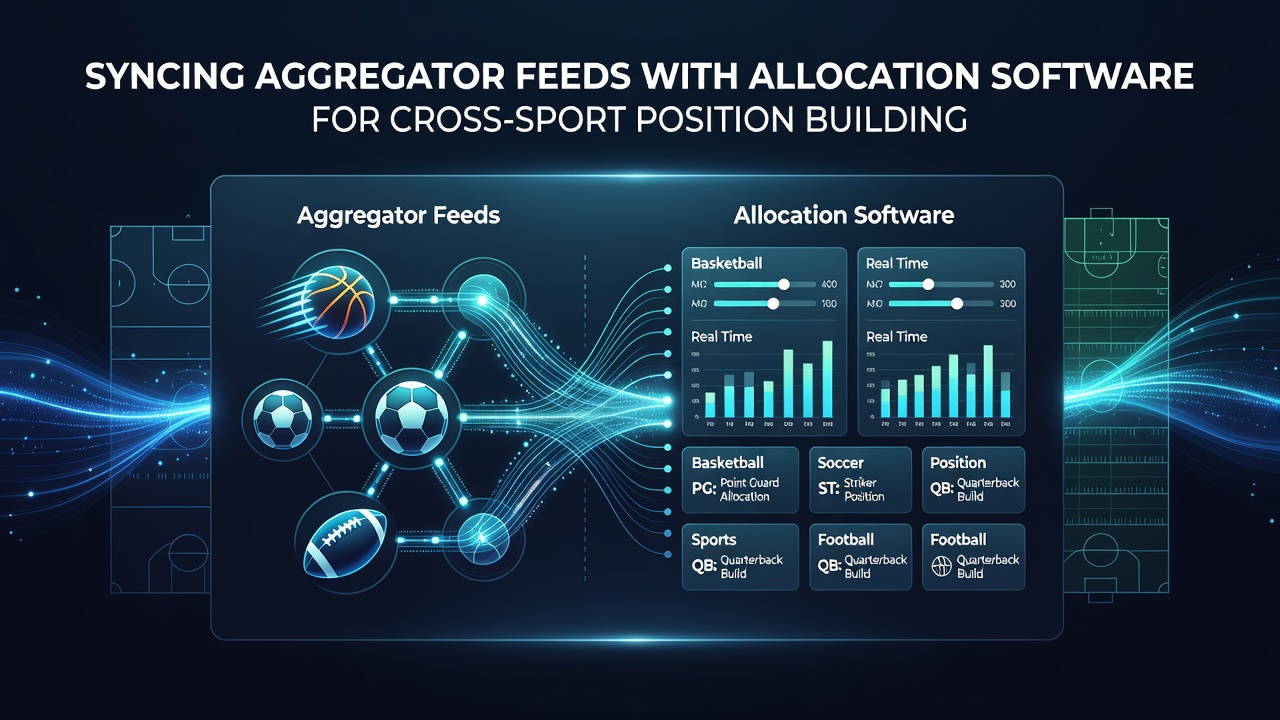
Integrating Aggregator Feeds with Allocation Software for Multi-Sport Position Construction
Modern betting operations rely on seamless data pipelines that pull odds and statistics from multiple sources into centralized systems, and operators in June 2026 continue to refine these connections for cross-sport strategies. Aggregator feeds compile live pricing from bookmakers and exchanges while allocation software distributes capital across events in different disciplines such as football, tennis, and horse racing. The combination allows position builders to maintain balanced exposure without manual intervention at every step.
Core Components of Aggregator Feeds
Aggregator platforms collect pricing data, liquidity indicators, and market movements from dozens of venues simultaneously, then normalize those inputs into standardized formats. Research from industry technology providers shows that feed latency has dropped below 200 milliseconds in many commercial setups, which supports rapid decision cycles during live events. Those who manage multi-sport books note that consistent formatting across sources reduces errors when software later interprets the numbers for allocation rules.
Allocation Software Mechanics
Allocation tools apply predefined risk parameters to incoming feed data, calculating stake sizes and position limits based on current portfolio exposure. The software evaluates correlations between markets in separate sports, such as a football match outcome and a tennis set spread, then adjusts allocations to keep overall variance within tolerance bands. Data from platform vendors indicates that automated rulesets can process several hundred simultaneous market opportunities without human oversight, freeing analysts to focus on parameter tuning rather than execution.
Synchronization Process in Practice
Successful integration begins with API handshakes that map each aggregator field to corresponding allocation variables, including odds, implied probabilities, and volume thresholds. Developers establish webhook triggers so that any material price shift in one sport immediately prompts recalculation of positions elsewhere in the portfolio. Observers at technology conferences report that teams testing these links in controlled environments achieve synchronization cycles under five seconds, which proves sufficient for most pre-match and early in-play adjustments.
One documented workflow involves pulling football over/under totals alongside tennis player performance metrics, then feeding both streams into a single allocation engine that enforces a global drawdown cap. The engine compares historical volatility figures across the two sports and scales stakes accordingly, preventing over-concentration in any single outcome type. Figures from software deployment logs show error rates falling below 0.3 percent once mapping rules undergo three rounds of validation testing.
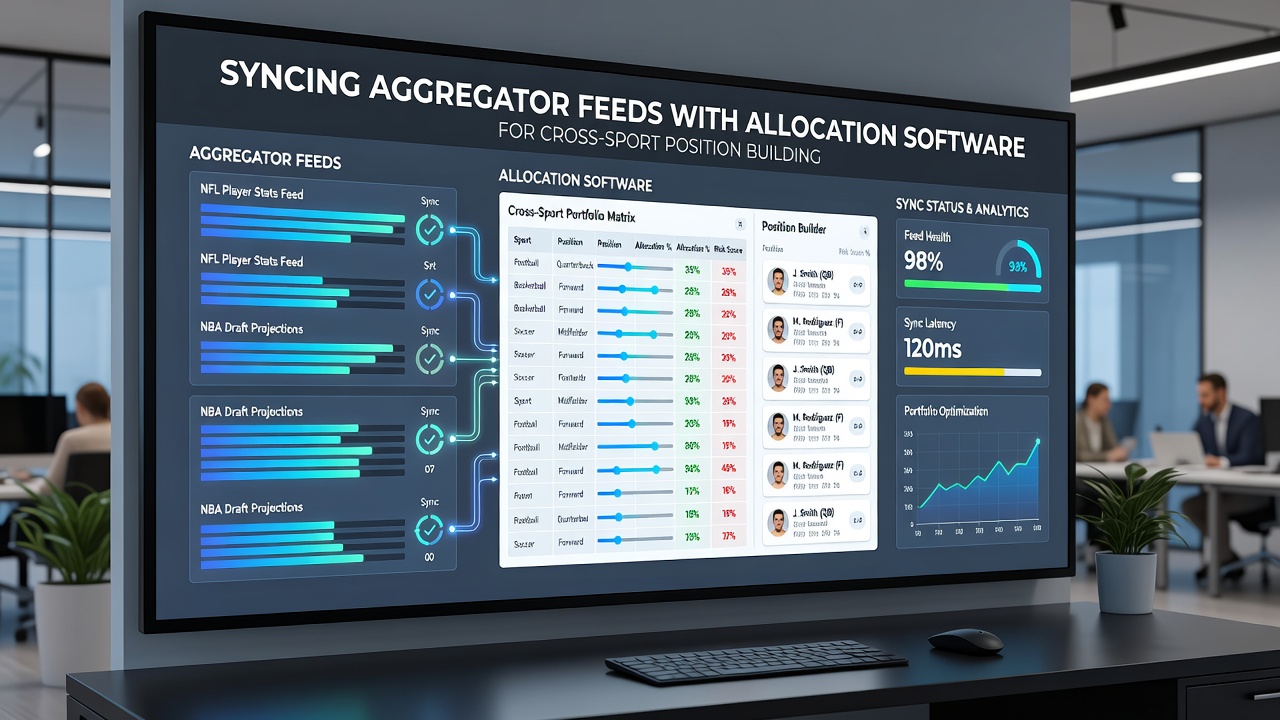
Cross-Sport Position Building Applications
Position builders use the synced system to construct portfolios that span unrelated events, such as combining a cricket total with a basketball moneyline while maintaining a target return profile. Because allocation software receives unified data, it can enforce sector-neutral constraints across the entire book rather than sport-by-sport limits. Reports compiled by European gaming technology associations highlight that operators adopting unified feeds reduced manual rebalancing tasks by approximately 40 percent during the 2025 season.
Case examples from Australian market participants illustrate how synchronized feeds support dynamic hedging: when a late injury alters football odds, the software instantly recalibrates an existing tennis position to offset the new risk profile. This approach relies on pre-loaded correlation matrices updated daily from historical performance datasets, ensuring the allocation engine reflects current market relationships rather than static assumptions.
Technical Considerations and Data Standards
Compatibility between aggregator output schemas and allocation input requirements demands careful field mapping and timestamp alignment. Many providers now adopt open data standards developed through collaborative industry working groups, which simplifies onboarding new sports or bookmakers. According to documentation released by the National Council on Problem Gambling, standardized timestamp protocols have become essential for maintaining audit trails across multi-jurisdiction operations.
Security layers encrypt feed traffic while allocation engines run inside segmented network zones, limiting exposure if any single component faces compromise. Testing schedules in June 2026 include quarterly penetration reviews and failover drills that simulate complete feed loss, verifying that backup data streams activate within acceptable windows.
Conclusion
The synchronization of aggregator feeds with allocation software creates a foundation for systematic cross-sport position construction that operates at scale. Continued refinement of data standards, latency reductions, and correlation modeling supports operators seeking consistent execution across diverse markets. As platforms evolve through 2026, those managing multi-sport books gain tools that translate raw pricing streams into coordinated, risk-aware allocations without constant manual oversight.