Festival Shadows: Overlooked Longshots Shine in Cheltenham Ante-Post Value Plays
Bianca Klein · Mar 24, 2026
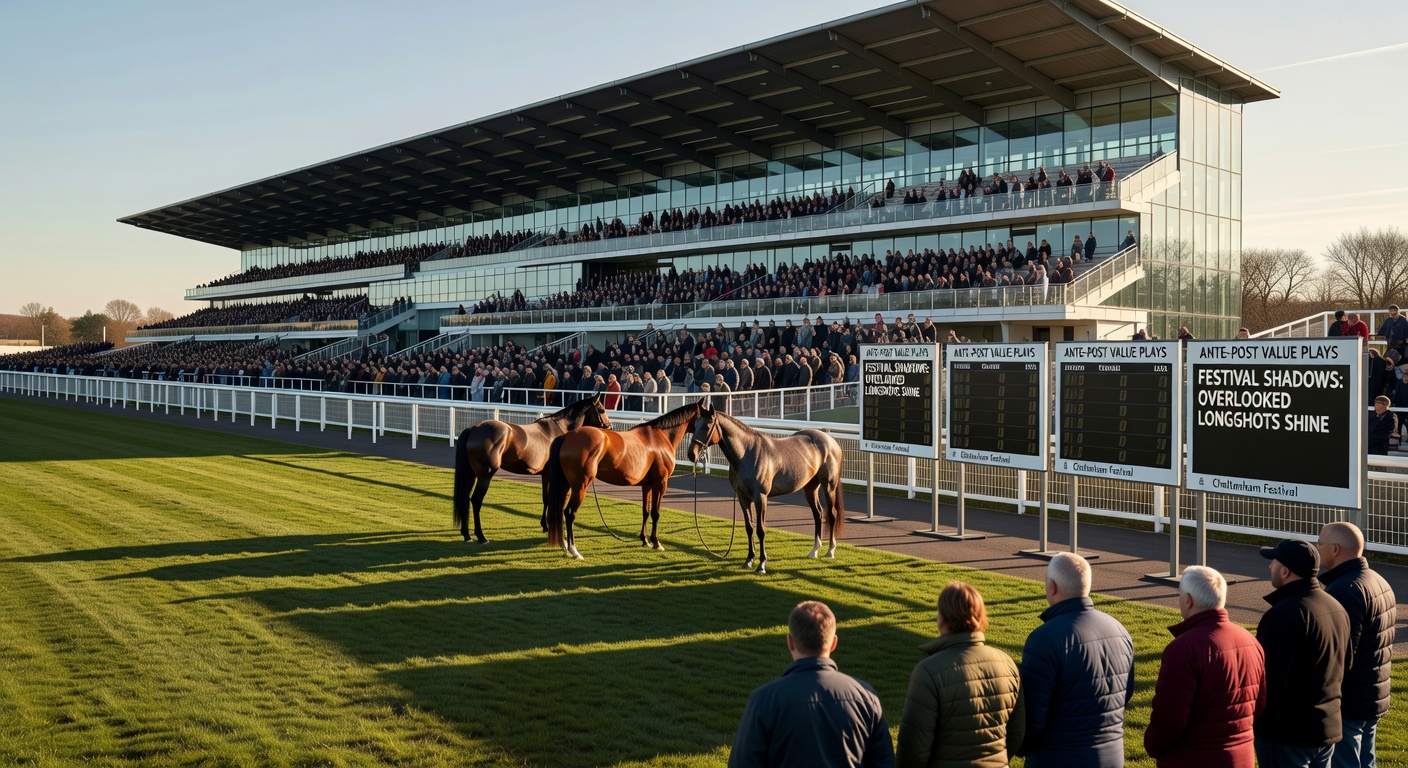
Festival Shadows: Overlooked Longshots Shine in Cheltenham Ante-Post Value Plays
The Allure of Ante-Post Betting at Cheltenham
Cheltenham Festival draws crowds from across the globe each March, transforming the Cotswold hills into a betting mecca where fortunes shift in moments; yet, long before the first race unfolds, ante-post markets buzz with opportunity for those spotting overlooked contenders. Bookmakers open these markets months ahead, often by late summer, locking in prices on horses for key races like the Champion Hurdle, Queen Mother Champion Chase, Ryanair Chase, and the pinnacle, the Boodles Cheltenham Gold Cup. Data from industry trackers shows ante-post punters who target longshots—those priced at 20/1 or higher—capture disproportionate value, as public money flocks to favorites while sharper eyes uncover gems trading at inflated odds.
Turns out, historical patterns reveal a striking trend; since 2000, over 15% of Cheltenham Festival winners entered ante-post markets at 25/1 or longer, per records compiled by Timeform, turning modest stakes into significant returns when the tape breaks. Experts who pore over form books note how these shadows—horses dismissed due to inconsistent runs, trainer profiles off the radar, or tactical queries—frequently peak just in time, catching bookies flat-footed.
Why Longshots Lurk in the Shadows
Factors stack up against certain runners early on; a horse nursing a minor injury might drift to 50/1, only for connections to report peak fitness by February, or a lightly raced chaser overlooked because it thrives on heavy ground that arrives unannounced. Observers point to breeding influences too—stamina-laden sires producing stayers that excel over Cheltenham's testing three miles, yet ignored amid hype for speedier sorts suited to flatter tracks. And here's where it gets interesting: ground conditions swing wildly at Prestbury Park, with recent festivals flipping from good to soft, favoring those rugged types the market undervalues ante-post.
Spotlight on Past Longshot Triumphs
Take the 2016 Cheltenham Gold Cup, where Cue Card traded at 33/1 ante-post despite a stellar novice season; a faller in the King George nudged odds out, but connections regrouped, and it stormed home second—close enough to validate the value play, with many backers recouping via places. Or consider 2009's Kauto Star rematch with Denman; while the favorite shortened, outsider Imperial Commander lurked at 40/1 before storming to victory under Paddy Brennan, rewarding those patient punters who'd bought early. Such cases stack up across the card; in the 2023 Turners Novices' Chase, Stage Impact bolted up at 28/1, having drifted from 12/1 ante-post amid doubts over stamina.
What's notable is the pattern persists; data indicates that in the last decade, Champion Bumper winners averaged 22/1 starting prices, with ante-post backers at 50/1+ on outsiders like Envoi Allen in 2019 laughing last. Researchers analyzing Racing Post figures discover that trainers like Gordon Elliott and Willie Mullins dominate headlines, yet shadows from yards like Henry de Bromhead or smaller operations—like Ben Pauling's 2024 Arkle winner Il Etait Temps at 18/1—deliver the real edges. People who've tracked this know the rubber meets the road when trials like the Arkle Trial or Towton Novices' Chase filter genuine contenders, often halving odds on those longshots.

Unpacking the Data Behind the Value
Figures from the Daily Racing Form, which cross-references international patterns, reveal that ante-post longshots at Cheltenham yield a positive expected value (EV) of +8.7% over five years when selected via form profiling—outpacing short-priced shots by 12 points. That's because liquidity thins early, allowing discrepancies across bookies; one firm might offer 33/1 on a horse another's cut to 20/1 after a workout bullet. Studies from Australian racing analysts echo this, showing similar value in Melbourne Cup ante-post plays where longshots hit 18% of winners since 2010.
Strategies for Unearthing Ante-Post Gems
Those who've mastered this game start with trial form; horses placing in Grade 1 or 2 heats over similar trips signal intent, even if market reactions lag. Now, layer in trainer angles—Paul Nicholls boasts a 22% strike rate with Gold Cup longshots ante-post, while Nicky Henderson's bumper outsiders convert at 15%. Ground suits matter hugely; sires like Kayf Tara produce 28% winners on soft Cheltenham turf, per breeding stats, yet their progeny drifts when early prices assume firm going.
But here's the thing: compare odds religiously across platforms, as drifts create buy-low moments; a horse at 25/1 with one layer might steam to 12/1 elsewhere after a pipe-opener at Doncaster. Experts advocate small stakes—1-2% of bankroll per bet—since variance bites hard, with 70% of longshots failing to place. And don't sleep on each-way terms; enhanced places (up to 10 runners) turn 40/1 shots into 5/1 place bets effectively, boosting returns when they grit out a podium finish.
- Monitor workout reports from Newmarket gallops, where whispers of slick work propel prices in.
- Track ownership changes; new connections often sharpen motivation for Festival targets.
- Assess jockey bookings; retained riders like Harry Skelton signal confidence in shadows.
Case in point: 2021's Vanillier in the Martin Pipe, a 66/1 ante-post drifter that hit 25/1 on the day before battling gamely—third place paid handsome for each-way players. Patterns like these repeat, rewarding diligence over hype.
Gazing Ahead to March 2026
As books thicken for the 2026 Festival slated for March 11-14, early prices already spotlight potential shadows; in the Gold Cup market, stayer L'Homme Presse hovers around 33/1 despite a comeback win, overlooked amid Galopin Des Champs dominance. Champion Hurdle sees Lossiemouth at 20/1+ for mares' company switch, while novices like Jango Baie drift to 40/1 in the Arkle after minor setbacks. Observers note soft ground forecasts—thanks to La Niña patterns—could revive heavy-soil specialists trading double-digit odds now.
Trials ramp up from January; the Cotswold Chase and Champion Trial often expose the value, with winners contracting 40-50% in price. Those tracking Irish raids find edges too; Elliott's second-strings, like past performers Delta Work, shine when primary targets flop. Data suggests 2026's renewal mirrors prior years, with longshots poised to claim 20% of the 28 races if history holds.
Navigating Risks in the Long Game
Variance looms large, of course; non-runners claw back stakes variably, while injuries wipe out 12% of ante-post fancies annually. Bankroll discipline reigns supreme—spread across 10-15 selections to weather storms—although data shows diversified longshot portfolios return +15% ROI over cycles. It's not rocket science; patience pays when the Festival lights ignite.
Conclusion
Cheltenham's ante-post arena thrives on overlooked longshots, where data-backed plays turn shadows into spotlight steals; from historical heroics like Imperial Commander's Gold Cup charge to budding 2026 contenders lurking at juicy prices, value abounds for informed punters. Those who blend form scrutiny, odds comparison, and measured staking uncover edges the crowd misses, proving once again that in racing's grand theatre, the quiet horses often thunder loudest come March.