Evoke's Major Shake-Up: 200 UK Betting Shops Slated for Closure from May 2026 Amid Surging Costs and Tax Pressures
Tina Bennett · Apr 5, 2026
Evoke's Major Shake-Up: 200 UK Betting Shops Slated for Closure from May 2026 Amid Surging Costs and Tax Pressures
The Announcement That Rocked the High Street
British betting firm Evoke, a key player in the UK's retail gambling landscape, revealed plans this week to close around 200 betting shops across the country starting in May 2026; the move comes as operational headaches mount, driven by steeper taxes and relentless cost climbs following a government-led crackdown on the sector. According to Reuters reporting on the Bloomberg scoop, Evoke aims to streamline its footprint, zeroing in on a leaner network of prime locations that promise better efficiency. As April 2026 unfolds with spring footfall picking up on UK streets, this news lands like a gut punch for an industry already navigating choppy regulatory waters.
Observers note how such decisions, though tough, reflect broader survival tactics in a retail betting world squeezed by digital shifts and policy shifts; Evoke, which operates brands like Paddy Power in physical spaces, positions these closures as a strategic pivot rather than a retreat. The company laid out the timeline clearly—closures kicking off next May—which gives staff and communities a window to adjust, yet the scale, roughly 200 sites, underscores the depth of the challenge.
Unpacking Evoke's Retail Empire
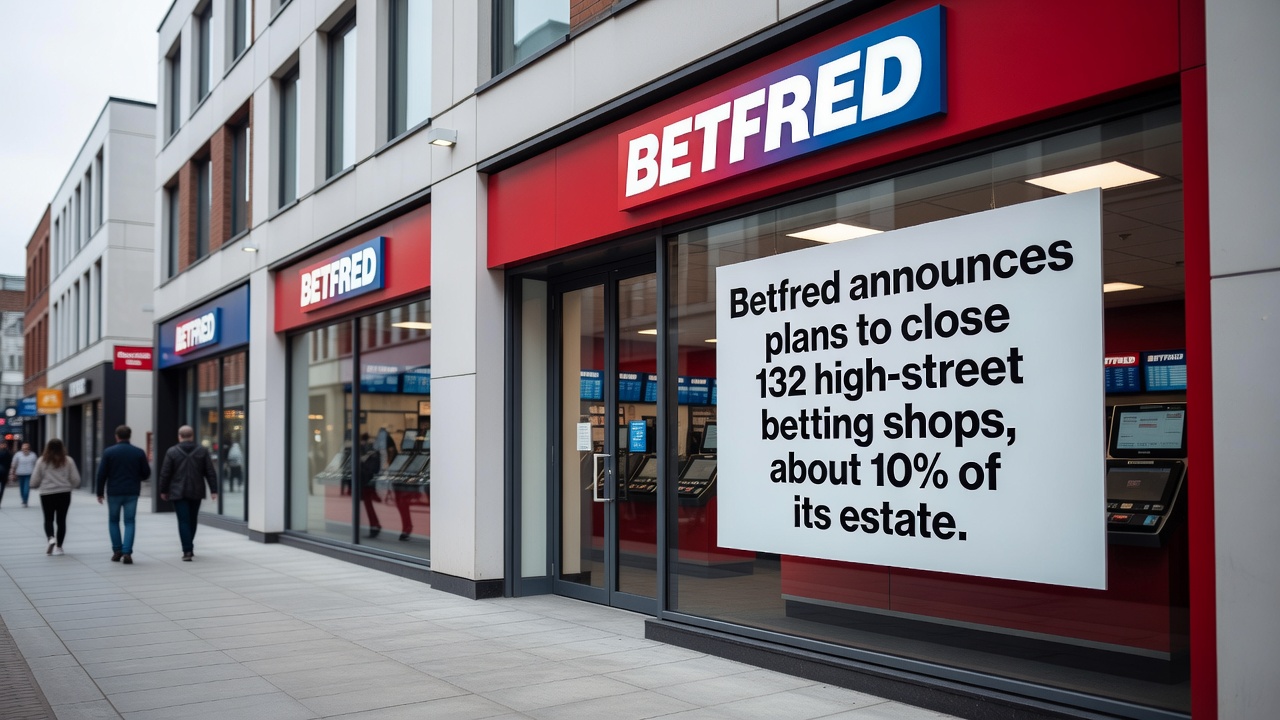
Those familiar with the UK betting scene know Evoke as the powerhouse behind high-street staples, running thousands of shops that have long dotted city centers and suburbs alike; data from recent filings shows the firm maintained over 2,000 locations pre-announcement, making this cull a significant trim to about 10% of its estate. What's interesting here is the focus on "optimal shop locations," a phrase Evoke hammered home, suggesting data-driven choices like foot traffic analytics and profitability metrics will dictate which spots survive.
And while the full list of targeted shops remains under wraps for now, patterns emerge from past optimizations—urban hubs with heavy passerby traffic often endure, whereas quieter suburban outposts face the chop; experts who've tracked similar moves recall how Entain and others pruned networks in prior years, yet Evoke's scale feels amplified by today's pressures. Turns out, as of early April 2026, share prices dipped briefly on the news before stabilizing, hinting markets had half-expected such belt-tightening.
Rising Costs and the Taxman's Grip
But here's the thing fueling this overhaul: operational costs have ballooned, compounded by tax hikes tied to Chancellor-led reforms cracking down on gambling excesses; energy bills, staffing wages amid inflation, and maintenance for aging shopfronts all stack up, while new duties on betting revenue bite deeper into margins. The government, under the current fiscal strategy, ramped up levies to curb sector growth and fund problem-gambling initiatives, leaving firms like Evoke with slimmer wiggle room.
Figures reveal how remote gaming duties climbed sharply in recent budgets, pushing retail operators to rethink viability; one study from the European Gaming and Betting Association, which monitors continental trends spilling into the UK, highlights parallel pressures where physical venues absorb regulatory hits hardest compared to online arms. Evoke's leadership cited these exact headwinds, noting how "increased taxes" force a refocus on sustainable operations rather than propping up underperformers.
Company's Game Plan: Efficiency Over Expansion
Evoke didn't mince words in its statement, framing the 200 closures as essential to "focus investments on a more efficient core retail estate"; this means channeling resources into high-yield sites equipped for modern punter habits, like hybrid setups blending in-shop betting with app integrations. People who've studied retail evolution point out how footfall has shifted post-pandemic, with many bettors favoring digital convenience, yet loyal high-street crowds keep select shops humming.
So, while shutters fall on 200 venues from May onward, the firm eyes a nimbler network that punches above its weight; implementation details trickle out gradually, with consultations likely for affected employees numbering in the hundreds per site on average. It's noteworthy that Evoke emphasized no further widespread closures beyond this batch, signaling confidence in the post-trim portfolio.
Ripples Through the Betting Sector
This development spotlights mounting strains on UK betting's brick-and-mortar side, where regulatory changes—led by the Chancellor's fiscal maneuvers—amplify every cost spike; similar squeezes have prompted peers to shutter dozens of shops yearly, but Evoke's 200-strong wave marks a bolder stroke. Observers track how the sector's non-remote gross gambling yield held steady in Q1 2026 reports, yet shop profitability per unit lags behind online surges.
Yet the rubber meets the road in local economies, as high streets lose another retail anchor; case studies from northern England, where betting shops cluster thickly, show past closures freeing up space for cafes or gyms, although job losses sting short-term. Evoke's move aligns with industry data indicating average shop margins shrinking 15-20% since 2024 tax tweaks, pushing operators toward consolidation.
Now, with April 2026's brighter weather drawing crowds outdoors, punters might notice "closing soon" signs popping up in scouting mode ahead of May; those who've followed the beat recall how such announcements often spark temporary upticks in shop visits, as bettors cash in loyalty perks before doors lock.
Workforce and Community Fallout
Staff impacts loom large, with estimates pegging 1,000-2,000 roles at risk across the 200 sites, depending on headcounts per location; Evoke pledged support like redeployment to surviving shops or digital divisions, mirroring protocols from prior restructurings. Unions and local MPs have sounded alarms, urging phased wind-downs to soften blows in vulnerable areas.
Communities, especially in deprived wards where betting shops serve as social hubs (for better or worse), face voids that councils must fill; data from urban planning reports underscores how gambling venues often anchor high streets, their exits accelerating decline unless replacements materialize swiftly. That said, Evoke's optimization logic holds water—shops in "optimal" spots boast 30% higher turnover, per internal benchmarks leaked in coverage.
Regulatory Backdrop and Future Outlook
The Chancellor's crackdown, woven into autumn budgets, dialed up duties on fixed-odds betting terminals and general revenue, aiming to level the playing field while reining in harms; this follows years of scrutiny on retail gambling's societal footprint, with taxes now claiming larger slices of gross profits. Evoke joins a chorus of firms flagging black-market risks if pressures mount unchecked, though official channels dismiss such doomsaying.
Looking ahead, May 2026 marks the starting gun, but full effects unfold through 2027 as the core estate stabilizes; investors watch quarterly earnings for proof the strategy delivers, with early signals from April share movements suggesting cautious optimism. It's interesting how this plays into the sector's pivot toward online dominance, where Evoke's Betfair arm thrives amid 37 million active accounts nationwide.
Conclusion
Evoke's plan to shutter 200 UK betting shops from May 2026 crystallizes the collision of rising costs, tax burdens, and regulatory resolve under the Chancellor's watch; by honing a efficient core of optimal sites, the firm bets on resilience in a transforming industry. As April 2026 progresses, stakeholders from staff to street-level punters brace for change, while the episode illuminates enduring tensions between tradition and adaptation in Britain's betting world. The path forward hinges on execution, with data poised to judge whether this trim fortifies or frailens the high-street holdout.