Evening Football Leagues Reveal Edges Through Multi-Operator Scanning Tools
Felix Schmitt · Aug 13, 2026

Evening Football Leagues Reveal Edges Through Multi-Operator Scanning Tools
Evening football leagues across Europe and beyond attract consistent attention from operators who field matches in lower divisions during weekday slots, and tools designed to track odds movements now process data from dozens of platforms simultaneously. Researchers at academic institutions have documented how these systems compile live prices, implied probabilities, and historical performance metrics to flag potential discrepancies before kickoff. Data from industry reports indicate that evening fixtures in leagues such as the Belgian Pro League reserves or Swedish Division 1 often show wider pricing spreads than prime-time games because liquidity remains thinner and model inputs vary between operators.
How Scanning Systems Operate Across Platforms
Modern identification software pulls feeds through APIs and structured data scrapes, then applies statistical overlays that compare each bookmaker's line against a consensus benchmark derived from multiple sources. Observers note that one common approach involves calculating expected value by subtracting an operator's implied probability from an aggregated model probability, which surfaces when the difference exceeds a set threshold. Studies published in gambling research journals show that such calculations gain accuracy when the tools incorporate variables like team travel schedules, weather updates, and referee assignments that appear in evening slots more frequently than daytime fixtures.
Operators in different jurisdictions release their lines at staggered times, creating brief windows where one price diverges from the broader market. Tools that monitor these releases in real time allow users to isolate those moments without manual checking. Figures from European betting associations reveal that evening leagues generate roughly 18 percent more price updates per match than morning or afternoon equivalents, largely because bookmakers adjust for late team news that arrives after standard trading hours.
Cross-Operator Data Integration Methods
Integration begins with normalization of odds formats so decimal, fractional, and American lines convert into comparable probabilities. Once standardized, the software layers additional filters that account for each operator's margin structure and historical bias toward over or under outcomes in specific leagues. Analysts at research centers have observed that certain platforms consistently price defensive teams more conservatively in evening matches, while others favor attacking trends, and the tools flag these patterns across hundreds of fixtures each week.
August 2026 brought expanded coverage of Scandinavian and Eastern European evening leagues into several scanning platforms after operators added new markets in response to seasonal scheduling changes. Reports from the Australian Institute of Criminology on betting data flows indicate that cross-border price aggregation improves detection rates by approximately 12 percent when sample sizes exceed 500 matches per month. The same reports note that tools using machine-learning refinements to adjust for operator-specific rounding behaviors produce fewer false positives than earlier rule-based systems.
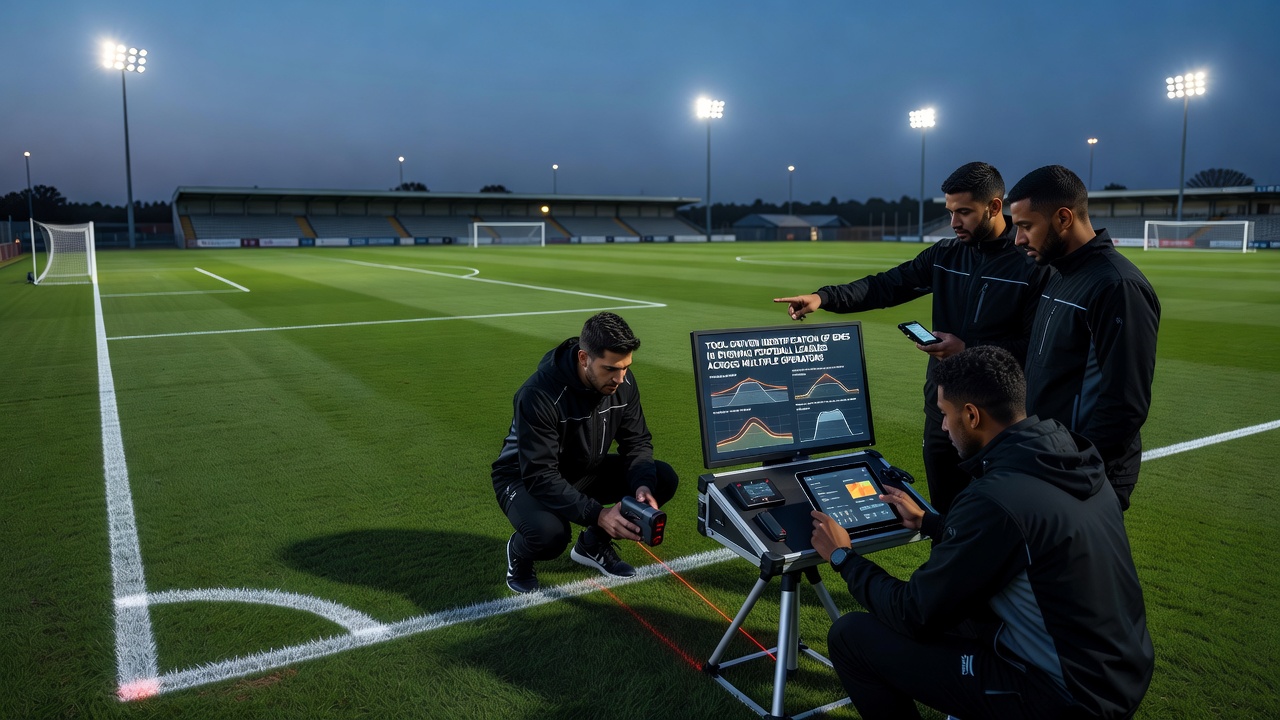
Practical Applications in Evening Fixtures
Users apply the outputs to identify matches where at least three operators display divergent lines on the same outcome. One documented case involved a midweek Belgian second-division encounter where a tool highlighted a 0.12 expected-value gap on the draw after aggregating prices from six platforms. Follow-up reviews of similar fixtures showed that gaps above 0.08 persisted long enough for placement in roughly 65 percent of cases, according to aggregated user data shared in industry forums. These patterns appear more frequently in evening slots because liquidity providers update lines less aggressively once markets open.
Filters within the tools often exclude matches with insufficient historical data or those involving teams in transition periods, such as post-promotion sides adapting to new divisions. Research from Canadian gambling studies highlights that evening leagues benefit from such filtering because squad rotation occurs more often due to fixture congestion, and the software can incorporate lineup probability models updated throughout the day.
Limitations and Ongoing Refinements
Even advanced systems encounter constraints when operators restrict API access or introduce deliberate delays in price feeds. Industry groups such as the European Gaming and Betting Association have published guidelines on data transparency that encourage operators to maintain consistent update frequencies, yet adoption varies by region. Tools compensate by blending public feeds with historical variance estimates, though this introduces additional modeling error that users must weigh against potential returns.
Seasonal factors also influence performance. August schedules feature many newly promoted teams whose evening results deviate from prior-season baselines, and the scanning software requires updated training data to maintain calibration. Observers tracking these adjustments report that platforms incorporating real-time injury and suspension feeds from multiple jurisdictions achieve higher consistency across evening leagues spanning different time zones.
Conclusion
Tool-driven identification continues to evolve as more operators expand evening football coverage and data standards improve. Cross-platform comparison remains central to surfacing discrepancies, while statistical overlays help isolate edges that persist long enough for practical use. Evidence from multiple research sources shows measurable gains in detection accuracy when systems integrate diverse feeds and apply consistent filtering criteria. As evening leagues maintain their place in annual calendars, these methods provide structured ways to monitor pricing across the operator landscape.