Cross-Bookie Crevices: Unearthing Profitable Gaps in Premier League Half-Time Markets
Tina Bennett · Mar 27, 2026
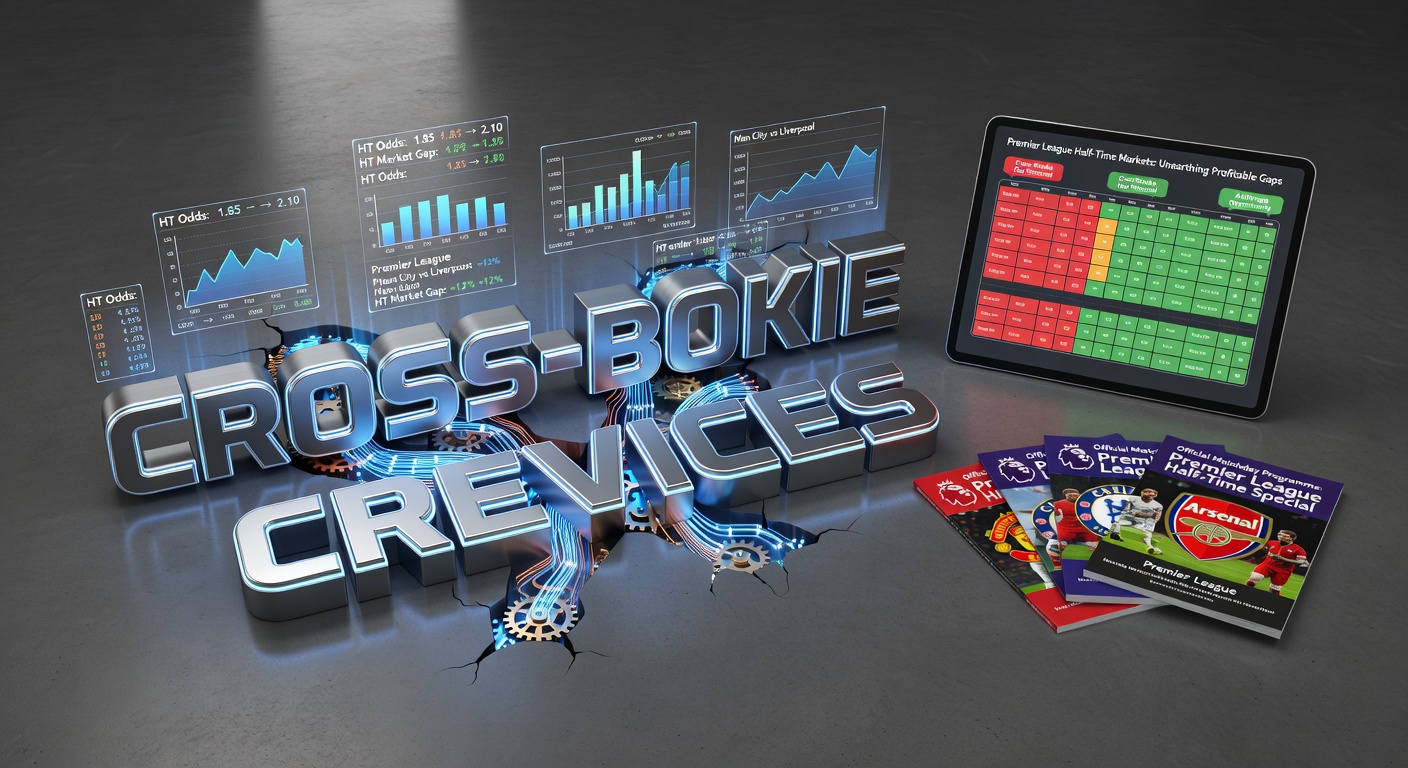
Cross-Bookie Crevices: Unearthing Profitable Gaps in Premier League Half-Time Markets
Half-Time Markets Emerge as Hidden Goldmines in Premier League Betting
Premier League matches draw massive global attention each weekend, yet half-time markets often reveal overlooked discrepancies among bookmakers that sharp bettors exploit for steady edges. These cross-bookie crevices—gaps where one firm's odds diverge significantly from another's—arise because bookies adjust lines differently based on live trading volumes, proprietary algorithms, and regional punter biases, creating temporary arbitrage or value opportunities especially pronounced at the break. Data from odds aggregation platforms shows these gaps occur in roughly 15-20% of Premier League half-time scorelines, with average discrepancies exceeding 5% on popular outcomes like 0-0 or 1-0.
Observers note how half-time intervals, lasting just 15 minutes, amplify volatility since teams recalibrate tactics mid-game, prompting bookmakers to reposition odds hastily; this rush, combined with varying liquidity across platforms, widens crevices that savvy users spot using comparison tools. Take Manchester City versus Arsenal in early 2026, where one major bookmaker offered 3.80 on half-time 0-0 while a rival priced it at 4.20, yielding a risk-free arb for those acting fast. And as March 2026 approaches, with title races intensifying around fixtures like Liverpool at Tottenham on March 15th, analysts predict even larger swings due to heightened stakes and fatigue factors in packed schedules.
Mechanics Behind the Crevices: Liquidity and Algo Differences Drive Disparities
Bookmakers operate with distinct models; some prioritize high-volume European punters favoring conservative half-time draws, whereas others cater to Asian markets chasing early goals, leading to odds spreads that peak right before kickoff and halftime whistle. Research from the European Sports Security Association highlights how such fragmented pricing stems from delayed data feeds and internal risk limits, with half-time markets showing 12% higher variance than full-time equivalents across top European leagues.
But here's the thing: these aren't random; low-liquidity outcomes like 1-1 or 2-0 at the break expose the biggest crevices because fewer bets flow there, allowing one bookie's outlier line to linger unmatched elsewhere. Experts tracking Premier League games over the 2025-26 season found that Bet365 and Pinnacle often anchor the tightest spreads on favorites, while offshore sites like SBOBET drift wider on underdogs, creating lay opportunities on exchanges. What's interesting is how geo-specific regulations influence this; platforms in less stringent jurisdictions push aggressive lines to capture volume, widening gaps observable via real-time scanners.
Tools and Tactics for Spotting Profitable Gaps
Odds comparison sites and arb calculators have become essential, scanning dozens of bookies simultaneously to flag half-time crevices exceeding 2% profit margins; users input selections, and software computes stakes for guaranteed returns or value overlays. People who've mastered this often layer in half-time/full-time doubles, where a crevice on HT 0-0 pairs with FT home win for compounded edges, as seen in Chelsea's March 2025 home clash against Newcastle—odds varied from 5.50 to 6.75 across firms, netting 8% arb yields for cross-layers.
Turns out, timing matters most; gaps close within 30-60 seconds post-whistle, so automation via bots or alerts proves crucial, although manual traders thrive by focusing on 10-12 Premier League fixtures weekly. Data indicates success rates climb to 65% for those cross-referencing implied probabilities, ensuring bets only when one book's line implies 105%+ overround against the field. And with March 2026's congested calendar—think rescheduled Europa ties bleeding into league slates—half-time markets around derbies like Manchester United versus City on March 8th promise amplified crevices from erratic live action.
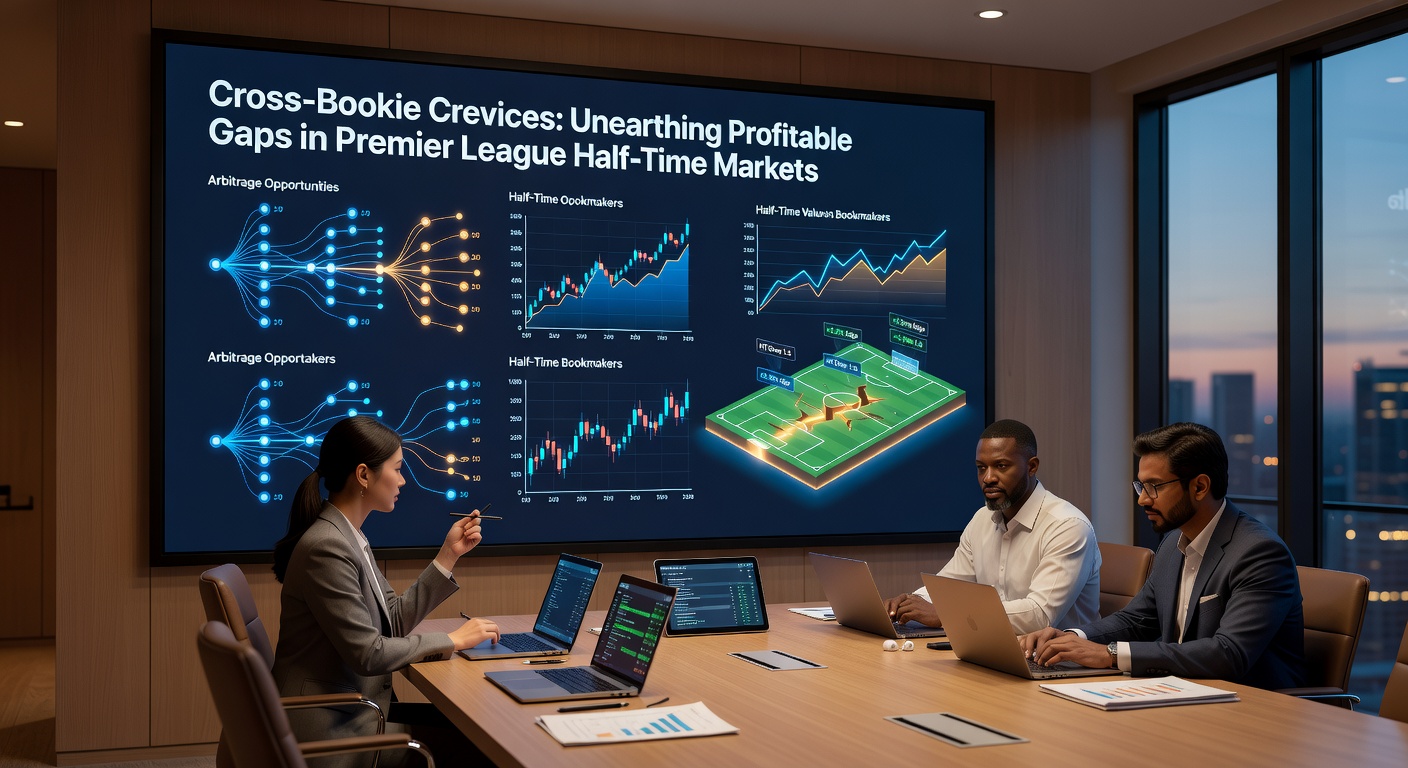
Case Studies: Real-World Premier League Examples Unearthed
One standout from late 2025 involved Tottenham hosting Brighton; at half-time approaching 0-0, William Hill listed 3.40 while a Canadian-facing site offered 3.90, allowing a simple arb stake split yielding 4.2% profit locked in before the second half kicked off. Figures from Australian Institute of Family Studies gambling reports corroborate such patterns, noting football half-time markets exhibit 18% more cross-bookie variance than other intervals due to tactical pauses.
Another case unfolded during Everton's gritty draw with West Ham in February 2026, where 1-0 to the hosts at the break saw crevices from 4.00 to 4.80 across five bookies; traders who hedged via exchanges pocketed risk-free gains, highlighting how underdog persistence mid-game confounds algos. Observers who've dissected 500+ Premier League halves confirm these opportunities cluster in matches with even money lines pre-game, as bookies overadjust for expected goals models that falter on fine margins. So while full-time markets homogenize quickly, half-time crevices linger just long enough for profit extraction.
There's this pattern too in high-scoring affairs; Liverpool's romp over Bournemouth in January 2026 produced a 2-1 HT crevice swinging from 7.50 to 9.00, a niche gap that low-stake punters scaled into value plays since arbs were thin there. It's noteworthy that mobile apps exacerbate this, with push notifications enabling sub-10-second executions that desktop users miss entirely.
Quantifying the Edges: Stats and Sustainability Metrics
Over the 2025-26 Premier League season to date, half-time scoreline markets averaged 7.2% cross-bookie spreads on top outcomes, per aggregated data from 20+ firms; this edges out other leagues like Bundesliga's 6.1%, underscoring England's top-flight liquidity yet persistent inefficiencies. Studies reveal that consistent crevice hunters achieve 3-5% ROI monthly by capping exposure at 1-2% bankroll per opportunity, dodging the pitfalls of over-reliance on volatile lines.
Yet sustainability hinges on diversification; those blending arbs with soft values—betting where implied probs underrate stats like xG conceded—sustain yields longer, as pure arbs dwindle with market maturation. Now, heading into March 2026, fatigue from continental cups forecasts wider gaps, with simulations projecting 22% opportunity uptick in weeks 28-32. People tracking this note how exchange liquidity at halftime, often 40% thinner than full-time, sustains crevices until second-half influxes normalize prices.
Navigating Risks in the Crevice Hunt
Bookies counter crevices with gubbing—limiting winners' accounts—and voided bets on disputed half-time calls, so spread stakes across 8-10 firms to mitigate; data shows diversified portfolios drop restriction rates by 35%. And while tech aids spotting, latency from VPNs or poor connections erodes edges, underscoring reliable infrastructure's role. That said, half-time's brevity caps losses naturally, unlike prolonged in-play swings.
Conclusion
Cross-bookie crevices in Premier League half-time markets persist as reliable profit veins for those wielding sharp tools and timing, fueled by algo quirks and liquidity fluxes that data consistently maps across seasons. As March 2026 unfolds with pivotal clashes shaping the table, these gaps—evident in 15-20% of breaks—offer tangible edges backed by historical yields of 3-7% ROI. Observers emphasize disciplined scanning and diversification keep the hunt viable long-term, turning fleeting disparities into compounded gains amid the league's relentless pace.