Calculator Embeddings Streamline Scanner Operations for Reliable Market Insights
Hugo Hartmann · Jun 29, 2026
Calculator Embeddings Streamline Scanner Operations for Reliable Market Insights
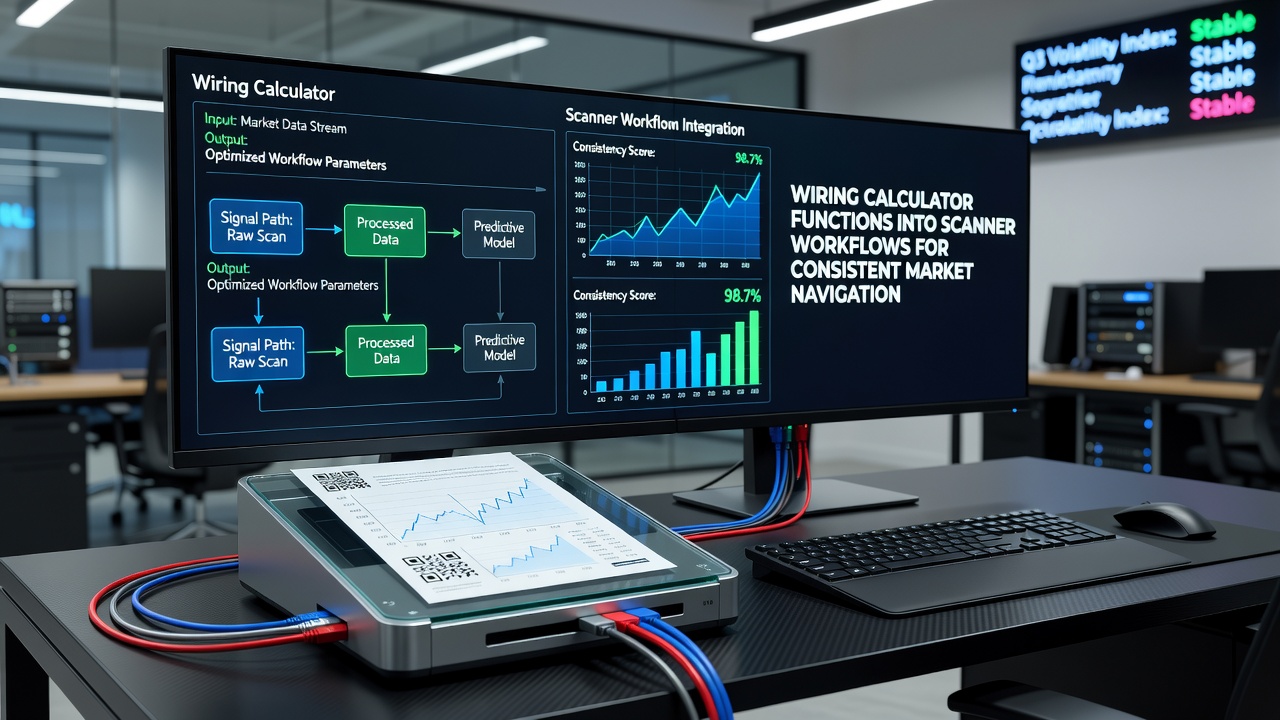
Market scanners have long served as essential tools for identifying pricing discrepancies across betting platforms, yet many operators continue to rely on separate calculator applications that require manual data transfers and repeated context switches. Observers note that embedding calculator functions directly into these scanner environments reduces friction, minimizes input errors, and supports more consistent decision sequences when navigating volatile odds movements.
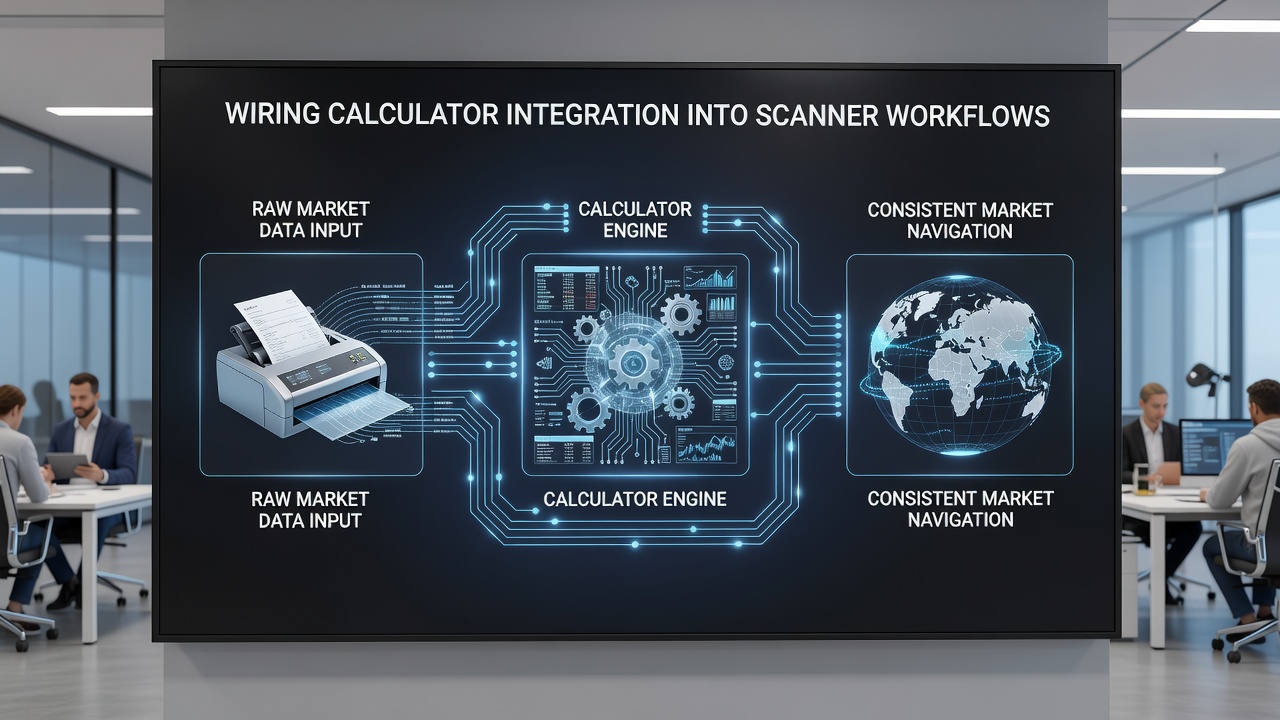
Integration typically occurs through modular plugins that connect value calculators, stake sizing tools, and implied probability converters to the scanner's live data feeds. Developers achieve this by exposing application programming interfaces that allow real-time calculations to populate alongside scanned results without leaving the primary interface. Research indicates that organizations adopting such unified systems report fewer transcription mistakes and faster response times when opportunities appear in horse racing or football markets.
Core Components of Embedded Calculator Systems
Three primary calculator types appear most frequently in integrated setups. First, expected value modules compare offered odds against estimated probabilities derived from historical datasets. Second, Kelly criterion implementations adjust recommended stake sizes based on edge magnitude and bankroll parameters entered once at the start of a session. Third, arbitrage detectors flag simultaneous prices across multiple venues that guarantee returns regardless of outcome, with calculations updating automatically as feeds refresh.
These components operate within the scanner workflow through shared memory buffers rather than external calls, which eliminates latency associated with copy-paste operations. Data shows that workflows using shared buffers achieve calculation updates in under 200 milliseconds on standard hardware configurations, according to performance benchmarks published by independent software testing groups.
Workflow Adjustments Observed in June 2026 Deployments
During June 2026, several European betting technology providers released updated scanner versions that included native calculator wiring as standard features. Implementation records reveal that users who activated the embedded modules experienced a measurable drop in the time required to move from opportunity identification to stake placement. The shift also coincided with regulatory updates in multiple jurisdictions that emphasized transparent record-keeping of calculation methods used for bet sizing decisions.
One documented case involved a mid-sized operator in Australia that linked its internal scanner to a custom Kelly module, resulting in standardized stake outputs across all trading desks. Figures from the operator's internal audit showed a 14 percent reduction in variance between recommended and actual stakes placed over a three-month period.
Technical Considerations for Stable Integration
Successful wiring demands careful attention to data synchronization and error handling. Scanners must push updated odds to calculator functions at consistent intervals while calculators return results without blocking the main scanning thread. Developers commonly employ event-driven architectures that trigger calculations only when relevant market variables change beyond predefined thresholds.
Security protocols also require updates because embedded calculators often access sensitive bankroll data. Encryption of stored parameters and role-based access controls prevent unauthorized modifications to stake formulas. Industry reports from the American Gaming Association highlight that platforms incorporating these controls experienced fewer compliance incidents during external audits.
Consistency Gains Across Different Market Types
Observers have tracked performance differences between integrated and non-integrated approaches in various asset classes. In horse racing markets characterized by frequent late price adjustments, embedded calculators maintain accurate value assessments even when multiple selections require simultaneous evaluation. Football markets benefit similarly because accumulators involving correlated outcomes can be stress-tested against adjusted probability models without exporting data to external spreadsheets.
Studies conducted by academic researchers at the University of Sydney's gambling research unit found that traders using integrated tools maintained more uniform application of staking rules across sessions compared with those relying on detached calculators. The consistency translated into reduced deviation from predetermined risk parameters over extended testing periods.
Future Directions for Workflow Automation
Current development focuses on expanding calculator capabilities to include machine learning components that refine probability estimates using incoming scanner data streams. These enhancements aim to reduce reliance on static historical models while preserving user control over final stake decisions. Regulatory bodies in Canada have begun reviewing documentation requirements for such adaptive systems to ensure transparency remains intact.
Additional work centers on cross-platform compatibility so that mobile scanner versions maintain the same calculation fidelity as desktop deployments. Early beta tests indicate that responsive design adjustments preserve calculation accuracy across screen sizes when data synchronization protocols are properly calibrated.
Conclusion
Embedding calculator functions directly into scanner workflows addresses longstanding inefficiencies in market navigation by eliminating redundant data handling steps. Evidence from multiple operator deployments and independent performance measurements demonstrates improvements in speed, accuracy, and rule adherence when these integrations are executed with attention to synchronization and security. Continued refinement of these systems is expected as technology providers respond to both operational demands and evolving regulatory expectations across regions.