Betfred Plans Closure of 132 High Street Betting Shops and More Than 600 Job Cuts
Bianca Klein · Aug 6, 2026

Betfred Plans Closure of 132 High Street Betting Shops and More Than 600 Job Cuts
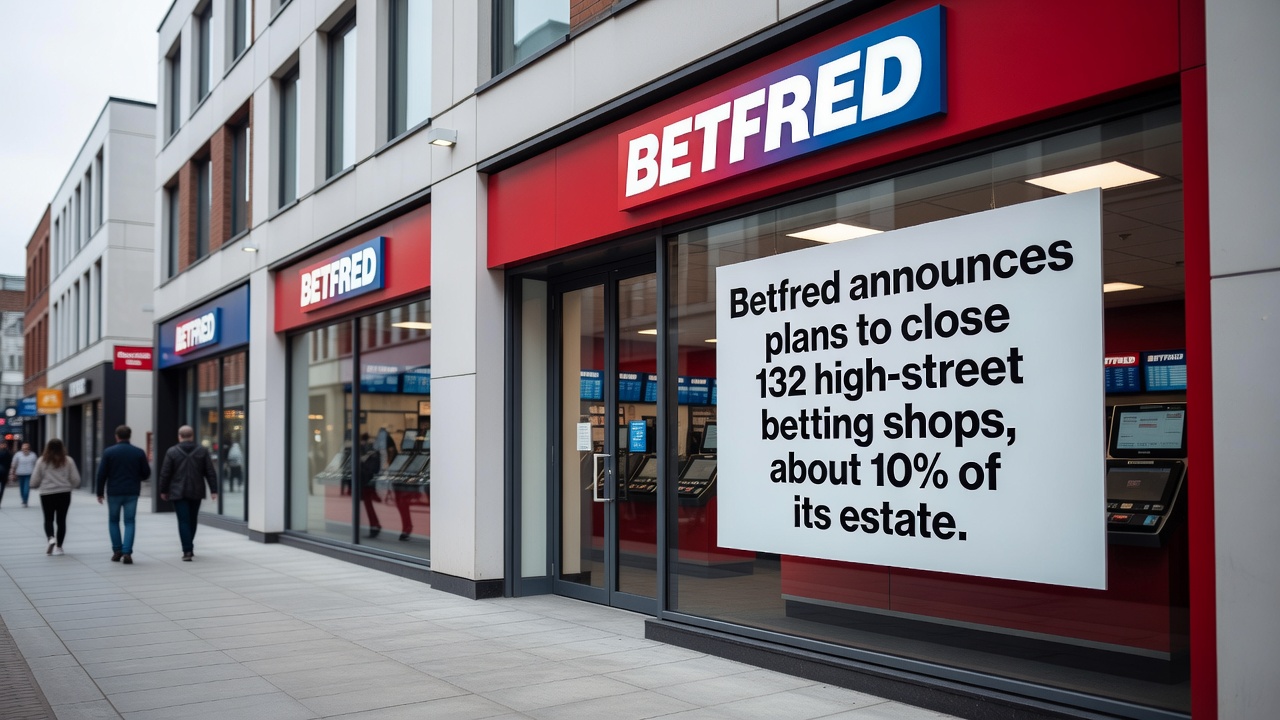
Betfred has announced plans to close 132 high-street betting shops, representing around 10 percent of its total estate, while cutting more than 600 positions across those locations. The decision stems from increased taxes that include hikes in Remote Gaming Duty, rises in employer National Insurance contributions, and broader economic pressures that have rendered multiple sites unviable according to company statements. The closures form part of a wider response to operating conditions that have tightened over recent months. Company officials explained that the combination of higher fiscal burdens and slower footfall growth left certain branches unable to sustain current staffing levels or rental commitments. Affected employees will receive support packages that include redundancy payments and access to outplacement services as the process unfolds.Details of the Announced Reductions
Betfred operates hundreds of retail outlets across the United Kingdom, and the 132 sites earmarked for closure span multiple regions. The job losses exceed 600 positions, with the majority tied directly to the shuttered branches rather than central functions. Management indicated that remaining shops will continue trading while the firm reviews further efficiencies to maintain overall viability.
Figures released alongside the announcement show that the selected locations had posted consistent losses once all costs, including the latest tax adjustments, were factored in. The company has committed to completing the majority of closures within the next financial quarter, with some sites already preparing to transfer customers to nearby branches or online platforms.
Industry Body Response and Sector Context
The Betting and Gaming Council described the Betfred move as direct evidence of how recent government tax increases affect the regulated betting industry. Council representatives pointed to the closures as a concrete example of reduced high-street presence, with warnings that similar decisions could follow at other operators facing comparable cost structures.
According to the Betting and Gaming Council, further shop reductions and job losses remain likely unless operating conditions improve, and the organization highlighted the risk of accelerated growth in the unregulated black market as customers seek alternatives outside licensed channels. The council linked these outcomes specifically to the cumulative impact of duty changes and payroll cost increases implemented earlier in the year.
Industry observers note that employer National Insurance rises add a fixed cost layer that retail betting operations absorb less easily than online-only competitors. Remote Gaming Duty adjustments, meanwhile, affect the broader revenue pool that funds both digital and physical channels. Data compiled by sector analysts shows retail betting margins have narrowed steadily since the combined tax measures took effect.
Economic Pressures and Operational Adjustments
Betfred cited declining revenues at certain high-street locations alongside rising overheads as the core drivers behind the current round of closures. Footfall at many branches has not recovered to pre-pandemic levels, while inflation in property and utility expenses has continued to climb. The firm stated that these factors, layered on top of the tax increases, produced negative returns that could no longer be sustained at the affected sites.
Management has indicated that resources freed from the closed branches will support investment in remaining outlets and digital products. The company maintains that its online offering continues to grow and will absorb some of the customer migration from shuttered shops. Staff reductions will occur through a combination of voluntary exits and compulsory redundancies, with consultation periods already underway at the impacted locations.
Implications for High-Street Betting Presence
The announced closures reduce Betfred's physical footprint by roughly one-tenth and mark one of the larger single-operator contractions reported in the sector this year. Remaining operators face similar cost calculations, and trade bodies have noted that the pattern could repeat if tax and payroll pressures persist. High-street betting shops have historically served as community hubs for in-person wagering, and their gradual reduction alters access patterns for customers who prefer face-to-face transactions.
Local authorities in areas scheduled for closures have begun reviewing the potential effects on town-center footfall and associated businesses. Some councils have expressed interest in repurposing the vacated premises for alternative retail or community uses once the betting shops close. The timeline for most shutdowns aligns with the end of the current trading quarter, allowing for orderly wind-down procedures.
Conclusion
Betfred's decision to close 132 shops and eliminate more than 600 roles reflects the combined weight of elevated taxes, increased National Insurance obligations, and ongoing economic headwinds. The Betting and Gaming Council has framed the move as an early indicator of wider sector strain, with potential for additional retail reductions and shifts toward unregulated alternatives. The company will proceed with the closures over the coming months while maintaining its remaining high-street and digital operations.